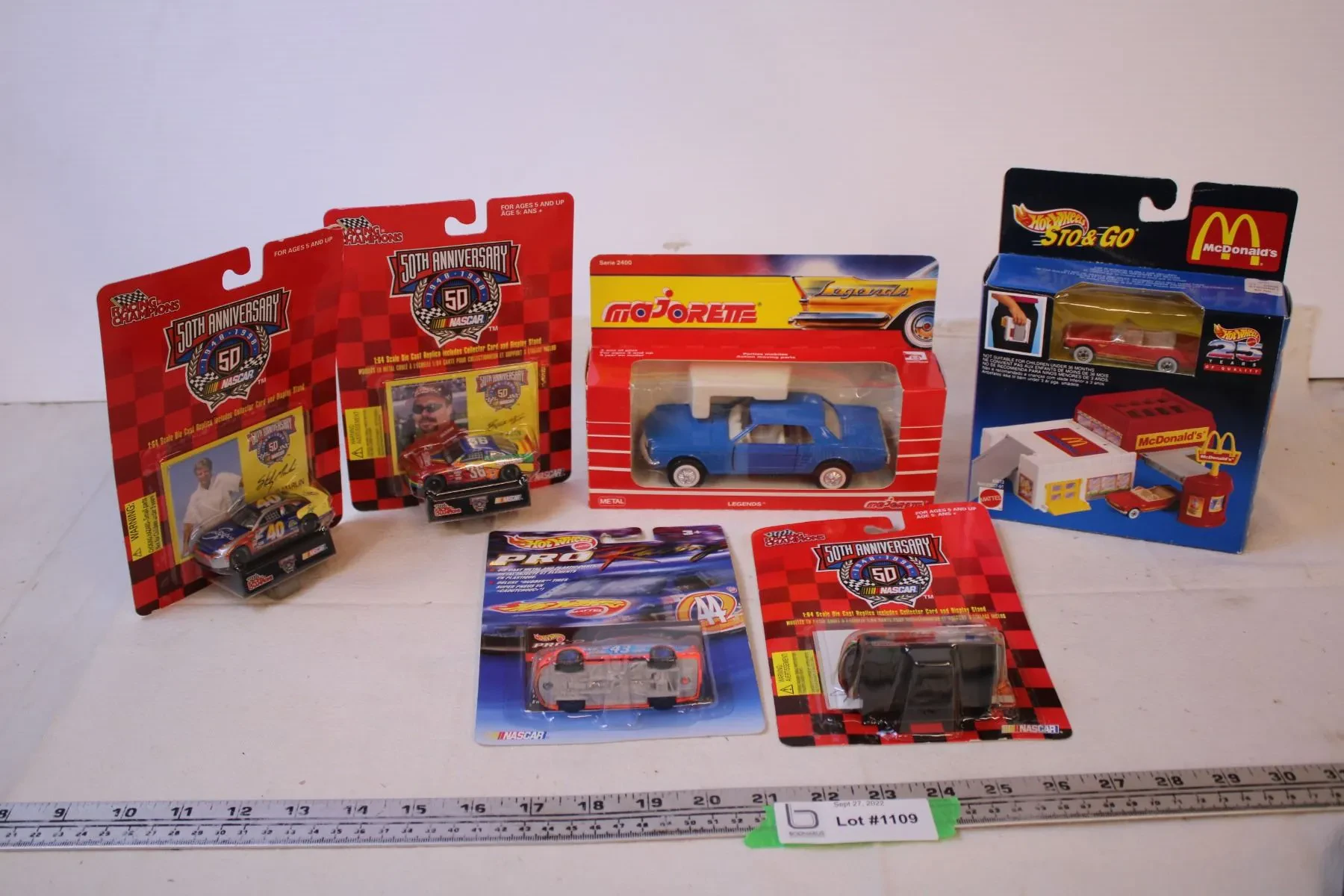
So, you’ve heard whispers, maybe a full-blown shout, that Hot Wheels, those beloved little diecast cars, are banned somewhere. It sounds crazy, right? They’re toys! They’re collectibles! But is there any truth to the rumors? Let’s put on our magnifying glasses and investigate.

First things first, a complete ban on all Hot Wheels everywhere is highly unlikely. You’d be hard-pressed to find any country with legislation specifically targeting these miniature marvels. What’s more probable are specific restrictions or regulations that might affect their sale, import, or even ownership in certain regions.
Where do these rumors come from?
The ‘banned’ stories often stem from a few different sources. Sometimes it’s misinterpretations of toy safety regulations, other times it’s confusion over import restrictions, and occasionally, it’s just plain old internet misinformation spreading like wildfire.
One common source of confusion is toy safety standards. Countries have different rules regarding the materials used in toys, the levels of lead or other potentially harmful substances allowed, and the overall safety of the design (think small parts that could be choking hazards). If a particular Hot Wheels model doesn’t meet a country’s safety standards, it might not be legally sold there.
Import regulations can also play a role. Some countries have strict rules about the types of goods that can be imported, the documentation required, and the taxes and duties that must be paid. If a shipment of Hot Wheels doesn’t comply with these regulations, it could be seized by customs officials, effectively preventing them from reaching consumers.
And of course, let’s not forget the power of the internet to spread rumors and misinformation. A simple misunderstanding or a misinterpreted news article can quickly snowball into a widespread belief that Hot Wheels are banned in a particular country. Before you believe everything you read online, always double-check your sources!
Specific Restrictions to Consider
While outright bans are rare, let’s talk about some more realistic scenarios where you might encounter problems with Hot Wheels.
Toy Safety Regulations
As mentioned earlier, toy safety regulations are a big one. These regulations are designed to protect children from potentially harmful toys. They cover a wide range of issues, including the materials used in the toy, the presence of small parts, and the overall design of the toy. If a Hot Wheels car doesn’t meet these standards, it might not be allowed to be sold in that country. Usually, this impacts older models more than newer ones that are produced under stricter guidelines. However, counterfeit toys are often a problem, as these are unlikely to meet any regulations.

Intellectual Property Rights
Another area where things can get tricky is intellectual property rights. Hot Wheels cars are often based on real-life vehicles, and the manufacturers of those vehicles hold trademarks and copyrights on their designs. If Hot Wheels (or any other diecast manufacturer) doesn’t have the necessary licenses to produce a replica of a particular car, they could face legal action. This can lead to certain models being restricted or unavailable in certain markets.
Customs and Import Restrictions
Import restrictions can also be a factor, especially if you’re trying to bring Hot Wheels into a country for resale. Some countries have strict rules about the types of goods that can be imported, the documentation required, and the taxes and duties that must be paid. Failure to comply with these regulations can result in your shipment being seized or delayed.
Counterfeit Hot Wheels
Unfortunately, the world of Hot Wheels collecting is not immune to counterfeiting. There are unscrupulous individuals who produce fake Hot Wheels cars and sell them as genuine articles. These counterfeit cars are often of poor quality and may not meet safety standards. Buying them also deprives the original manufacturer of revenue and supports illegal activities.
So, Can I Still Collect Hot Wheels?
The short answer is almost certainly yes! The chances of you running into a complete ban on Hot Wheels are very slim. However, it’s always a good idea to be aware of the potential restrictions and regulations that might affect your collecting activities.
Here are a few tips to keep in mind:
- Buy from reputable retailers: Stick to established toy stores or authorized online dealers to avoid counterfeit products and ensure that you’re getting genuine Hot Wheels cars.
- Be aware of toy safety regulations: If you’re buying Hot Wheels for children, make sure that the cars meet the safety standards of your country.
- Check import regulations: If you’re planning to import Hot Wheels from another country, familiarize yourself with the import regulations of your country and ensure that you comply with all the requirements.
- Do your research: Before buying a rare or expensive Hot Wheels car, do your research to make sure that it’s authentic and that you’re paying a fair price.
- Be wary of deals that seem too good to be true: If a seller is offering Hot Wheels cars at prices that are significantly lower than market value, it’s likely that they’re counterfeit or stolen.

In conclusion, while the idea of a widespread Hot Wheels ban is mostly a myth, it’s important to be aware of the various regulations and restrictions that might affect your collecting activities. By staying informed and following the tips above, you can continue to enjoy the hobby of collecting Hot Wheels without running into any major problems. Happy collecting in 2024!