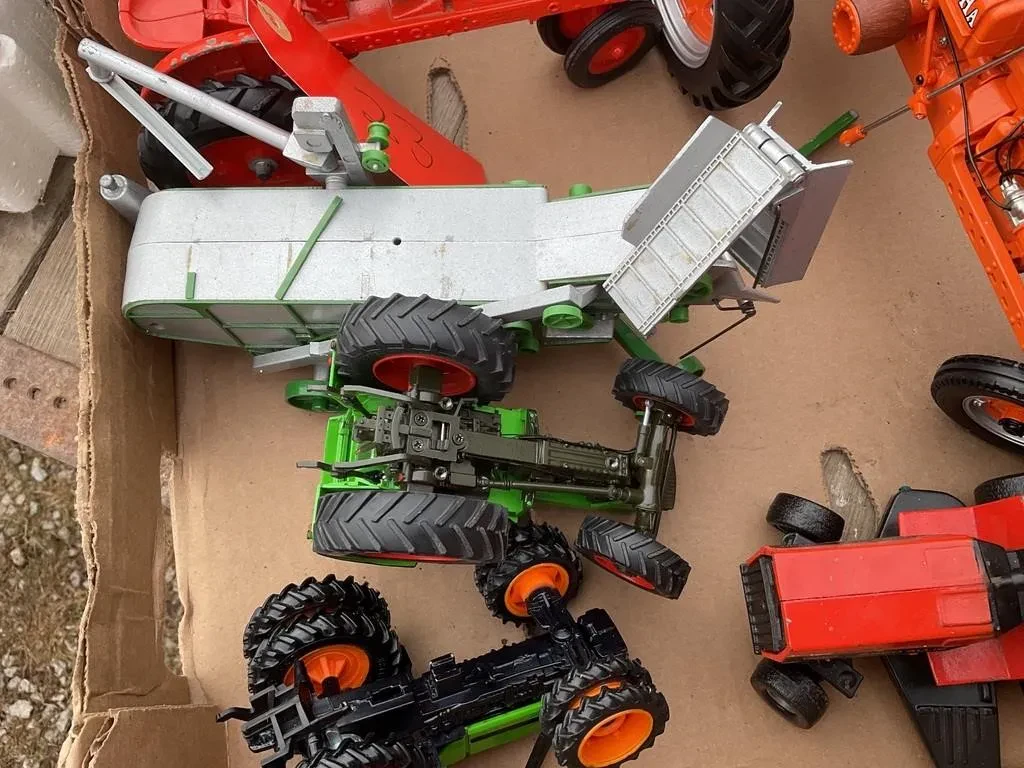
Ever wondered about those tiny, detailed models of farming equipment you see at toy stores or collector’s shops? One type that’s particularly fascinating is the threshing machine diecast. These aren’t just toys; they’re miniature replicas of historical farming marvels, often boasting intricate designs and a story to tell.

So, what exactly is a threshing machine? Back in the day, before combines took over, threshing machines were the workhorses of harvest season. They separated the grain from the straw and chaff, a process that was previously done by hand – talk about a time saver! These machines were revolutionary, and their impact on agriculture is why they’re still remembered and celebrated today through things like diecast models.
Diecast, in simple terms, refers to a manufacturing process where molten metal is injected into a mold to create a specific shape. This method allows for high precision and intricate detailing, which is why it’s perfect for creating miniature versions of complex machines like threshing machines. The result is a durable and realistic model that can be admired for its craftsmanship.
Why Collect Threshing Machine Diecast?
There are several reasons why someone might be drawn to collecting these little agricultural wonders. For some, it’s about nostalgia. Perhaps they grew up on a farm or had a relative who used a threshing machine. The models serve as a tangible link to their family history and a simpler time.
For others, it’s the historical aspect. Threshing machines represent a significant moment in agricultural technology. Collecting diecast models is a way to preserve and appreciate that history, learning about the evolution of farming practices through these miniature representations.

And, of course, there’s the simple appeal of collecting itself. The thrill of the hunt, the satisfaction of completing a set, and the joy of displaying a collection are all powerful motivators for many collectors. Threshing machine diecast models offer a unique and relatively niche area within the broader world of diecast collecting, making it both challenging and rewarding.
What to Look for in a Threshing Machine Diecast Model
So, you’re thinking about starting a collection? Here are a few things to keep in mind when selecting a threshing machine diecast model:
- Scale: Diecast models come in various scales (e.g., 1/16, 1/32, 1/64). Consistency in scale is important if you plan to display your models together.
- Detail: Look for models with accurate detailing, including moving parts, realistic paint schemes, and accurate representations of the original machine.
- Material: While they’re called diecast, some models incorporate plastic or rubber components. Consider the balance between durability and realism.
- Manufacturer: Certain manufacturers are known for producing high-quality agricultural diecast models. Research different brands to find those that align with your preferences.
- Condition: If you’re buying a vintage model, pay close attention to its condition. Scratches, missing parts, or faded paint can affect its value.

Detailing is really key. Does the model have the correct belts and pulleys? Are the wheels accurately represented? These little things can make a big difference in the overall realism and collectibility of the model.
Popular Threshing Machine Diecast Brands
Several brands are well-regarded in the world of agricultural diecast models. Some of the more popular ones include:
- Ertl: A well-known brand that produces a wide range of agricultural diecast models, including threshing machines.
- Scale Models: Known for producing highly detailed and accurate replicas of farm equipment.
- SpecCast: Offers a variety of agricultural diecast models, often focusing on specific brands or historical machines.
These brands have a reputation for quality and accuracy, making them a good starting point for your collection. However, don’t be afraid to explore other brands as well. You might discover some hidden gems!
The Value of Threshing Machine Diecast Models
Like any collectible, the value of a threshing machine diecast model can vary widely depending on several factors. Rarity, condition, age, and manufacturer all play a role in determining its worth. Limited edition models or those that are no longer in production tend to be more valuable.
To get a sense of the value of a particular model, it’s a good idea to research comparable items online. Check auction sites, collector forums, and diecast model retailers to see what similar models are selling for. Keep in mind that the asking price isn’t always the same as the actual selling price.
Condition is also a major factor. A model in pristine condition, with its original packaging, will generally be worth more than one that is damaged or incomplete. However, even damaged models can have value, especially if they are rare or historically significant.

Ultimately, the value of a threshing machine diecast model is in the eye of the beholder. If you’re collecting for personal enjoyment, the monetary value may be less important than the sentimental or historical value of the piece.
Displaying Your Collection
Once you’ve started building your collection, you’ll want to find a way to display it. There are many options available, from simple shelves to custom-built display cases. The best choice will depend on the size of your collection, your budget, and your personal preferences.
Consider the lighting in your display area. Proper lighting can highlight the details of your models and make them look even more impressive. Avoid direct sunlight, which can fade the paint over time. LED lighting is a good option because it’s energy-efficient and doesn’t produce much heat.
You might also want to create a diorama to showcase your models. A diorama is a miniature scene that depicts a realistic setting. For threshing machine diecast models, a diorama could include fields of grain, farm buildings, and miniature figures of farmers and workers.
Collecting threshing machine diecast models is more than just accumulating toys; it’s about preserving history, appreciating craftsmanship, and connecting with a bygone era. Whether you’re a seasoned collector or just starting out, the world of miniature agricultural machines has something to offer everyone. So, why not start your own miniature farming fascination today?
