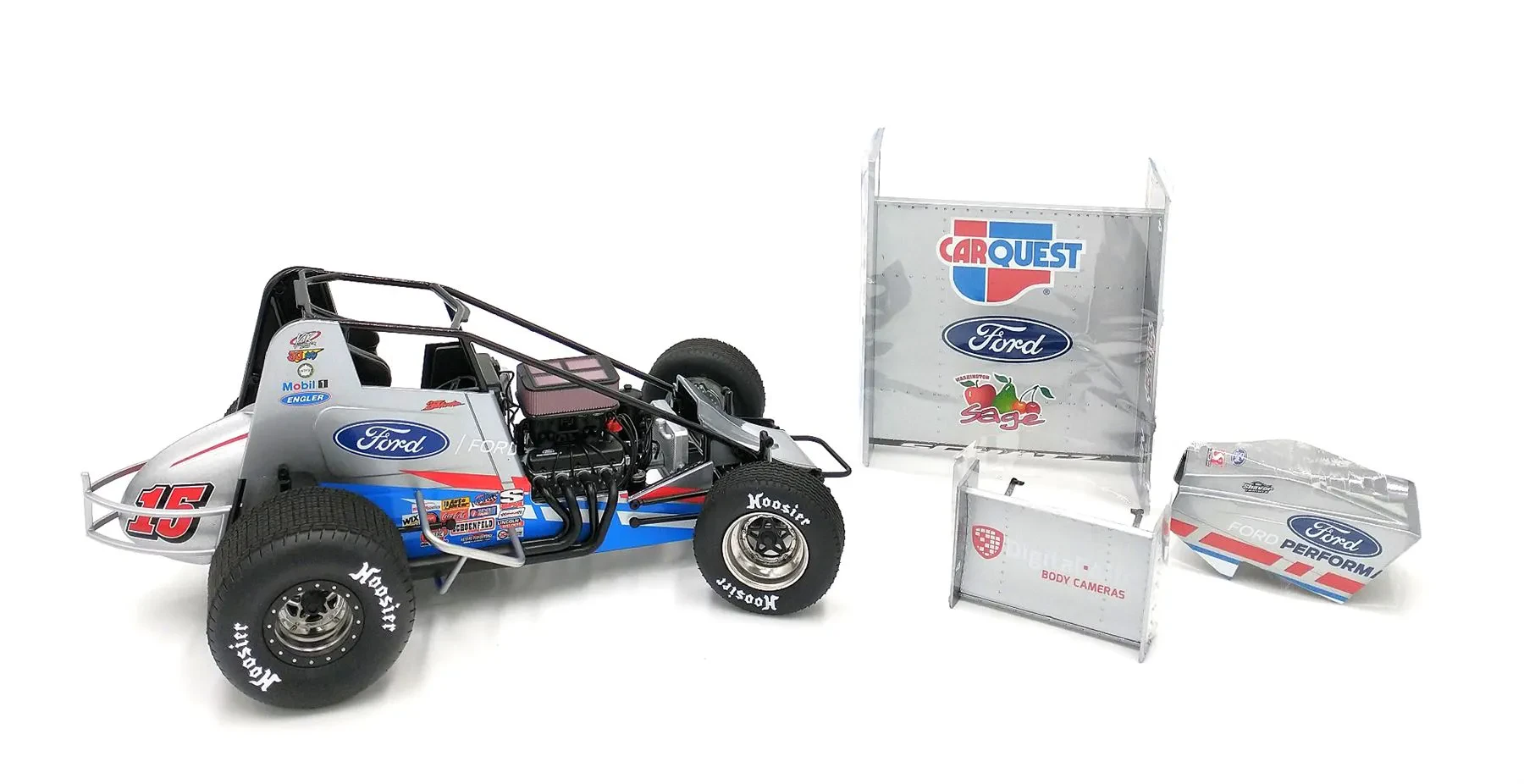
Ever held a tiny, perfectly detailed replica of your favorite car? That’s the magic of diecast models. These aren’t just toys; they’re miniature works of art, representing decades of engineering, design, and passionate collecting.
But where did it all begin? Believe it or not, the story of diecast cars stretches back much further than you might think. The early days weren’t about perfectly replicating every detail; it was about capturing the essence of a vehicle in miniature.
The earliest examples date back to the late 19th and early 20th centuries, with simple tin toys representing cars of the time. These were often crude, but they laid the foundation for what was to come. Think about those charming, hand-painted metal cars your grandparents might have played with – they are part of the legacy!

The real revolution came with the development of the diecast process itself. This involved using molten metal injected into a mold, creating incredibly detailed and consistent models. This advancement, sometime around the mid-20th century, changed everything. Suddenly, producing highly accurate miniatures was achievable on a larger scale.
The post-World War II era saw the rise of several key players in the diecast industry. Companies started experimenting with different materials and techniques, pushing the boundaries of what was possible. Suddenly, you could find detailed interiors, opening doors, and even functioning parts on these miniature marvels.
Names like Matchbox and Dinky Toys became household names, synonymous with quality and collectability. These companies not only produced incredibly popular models but also helped shape the cultural landscape. Diecast cars became a staple in toy shops and a source of joy for children around the world.

The 1960s and 70s were a golden age for diecast cars. Collectors began to emerge, drawn to the intricate detail and historical significance of the models. Rare and unusual cars became highly sought-after, and the hobby took off in a big way.
The industry continued to evolve. New materials, like plastic, were introduced, often combined with metal to create even more realistic models. The level of detail increased, with manufacturers focusing on replicating specific car models down to the smallest parts.
Today, diecast cars are a multi-billion dollar industry, with an ever-growing community of enthusiasts and collectors. Manufacturers continue to innovate, producing models with incredible accuracy and features. Think opening hoods, detailed engines, and even miniature people!

From humble tin toys to highly detailed collectibles, the journey of diecast cars is one of continuous innovation and passion. The industry has given millions of people joy, creating a lasting legacy that continues to captivate audiences of all ages.
The Enduring Appeal of Diecast Cars
Why do diecast cars remain so popular? The answer lies in their enduring appeal to both children and adults. For children, they’re fun, engaging toys that spark imagination and storytelling. For adults, they are objects of nostalgia, investment opportunities, and a connection to automotive history.
The attention to detail is remarkable. Many models accurately capture the nuances of a specific vehicle, reflecting the meticulous craftsmanship of their creators. This dedication to accuracy is what elevates a simple toy to a piece of collectible art.
Beyond their aesthetic appeal, diecast cars also offer a sense of ownership and pride. Collecting them can be a rewarding hobby, allowing individuals to build and showcase a personalized collection. The community aspect is also significant, with collectors connecting with others who share their passion.
The Future of Diecast Cars
As technology advances, we can expect even more innovative diecast cars in the coming years. 3D printing, for example, may offer greater customization options, enabling collectors to create truly unique pieces. Materials science will likely contribute to more durable and realistic models.
The digital age also plays a significant role. Online platforms and communities make it easier than ever to connect with fellow enthusiasts, buy and sell models, and learn more about the history and appreciation of diecast cars.
So, whether you’re a lifelong collector or just discovering the world of diecast cars, there’s a model out there waiting to be found. Their enduring appeal and rich history make them more than just toys; they’re miniature works of art that capture the essence of automotive design and innovation. Enjoy the ride!
- Matchbox
- Hot Wheels
- Dinky Toys
- Johnny Lightning
- Greenlight