So, you’ve got a killer diecast collection, but some of those beauties are looking a little…blah? Or maybe you’re itching to customize your favorite cars with a fresh coat of paint? Either way, you’ve come to the right place. This guide will walk you through everything you need to know about spray painting your diecast models and getting professional-looking results.
Choosing the Right Spray Paint
Not all spray paints are created equal, especially when it comes to diecast models. The wrong paint can end up looking clumpy, chipping easily, or even damaging the delicate details of your models. So, what should you look for?
First things first: acrylic lacquer is your best bet. It’s designed for durability, it adheres well to metal, and it comes in a huge range of colors and finishes. Avoid enamel paints, as they can be more prone to chipping on diecast’s smooth surfaces. Also, steer clear of paints specifically designed for plastics; they’re often too flexible and won’t give you the hard, durable finish you want.
Look for spray paints that are specifically labeled for automotive use or models. These paints are typically formulated to withstand tougher conditions and deliver a more even, smoother coat.
Top Paint Brands to Consider
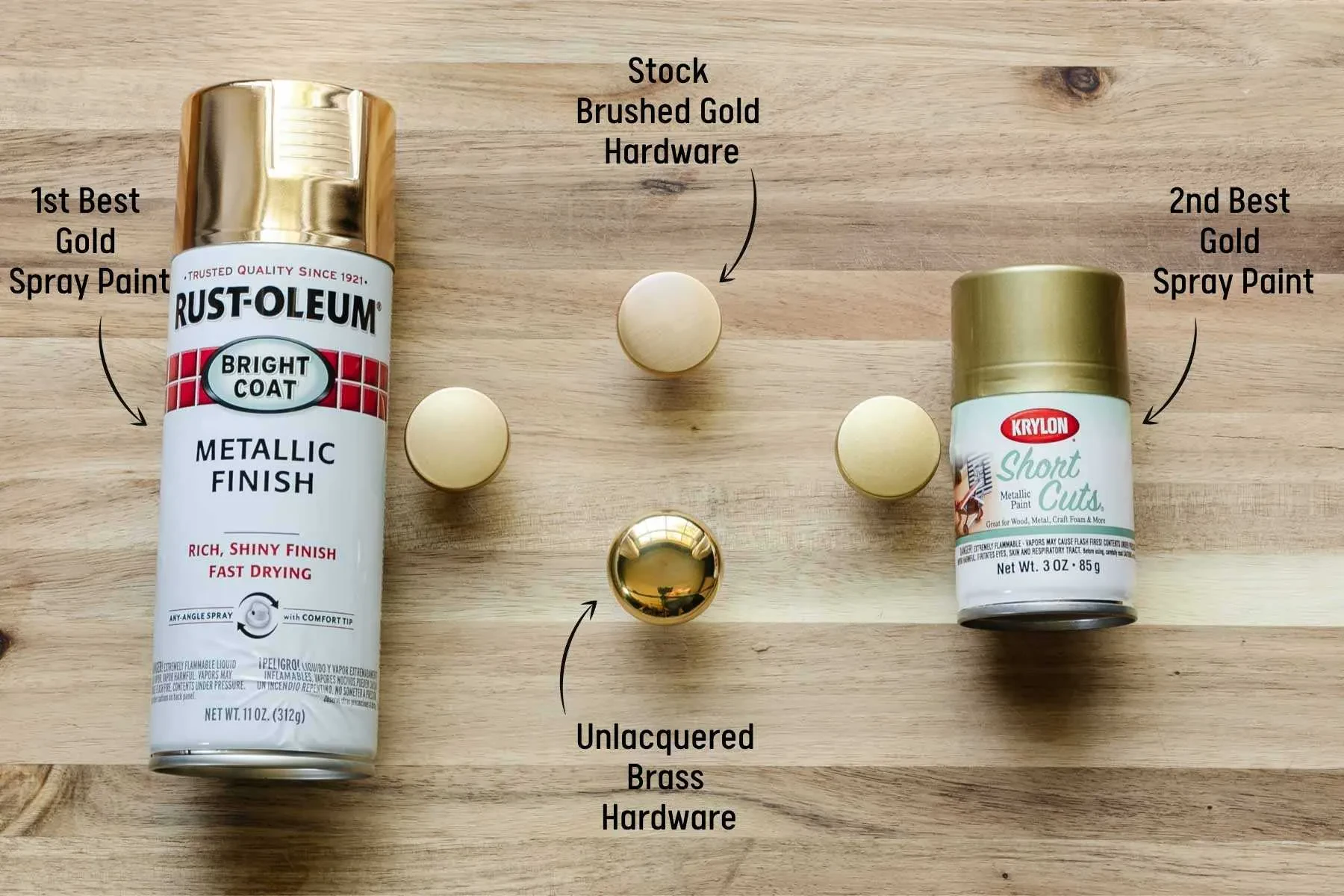
- Rust-Oleum Painter’s Touch 2X Ultra Cover
- Krylon Fusion for Plastic, Glass, Metal & More
- Testors Model Master Acrylic
- Dupli-Color Perfect Match Automotive Spray Paint
These brands are widely available and offer excellent quality and variety of colors. Remember to check online reviews and comparisons to see which paint best suits your needs and budget.
Prep Work: The Key to a Great Finish
This step is crucial. Proper preparation will make all the difference between a professional-looking job and one that looks rushed and amateurish. Before you even think about spraying, you need to clean your diecast model thoroughly.
Use a mild detergent and warm water to wash away any dirt, grease, or fingerprints. Make sure to rinse it well and let it dry completely. Any residue will interfere with the paint adhesion.
Next, consider masking. If you only want to paint certain areas, masking tape will be your best friend. Use high-quality painter’s tape to protect parts you don’t want to paint. Smooth the edges of the tape to prevent paint bleeding.
A light sanding with fine-grit sandpaper (like 600-grit) can help create a smoother surface for the paint to adhere to, particularly if the model has a glossy finish.
After sanding, use a tack cloth or compressed air to remove any dust particles. Dust is the enemy of a perfect paint job!
The Spraying Process
Work in a well-ventilated area, preferably outdoors on a calm day. Shake the can vigorously for at least one minute before spraying. Hold the can about 6-8 inches from the model and use smooth, even strokes. Avoid heavy coats; multiple thin coats are better than one thick one that might run or drip.
Allow each coat to dry completely before applying the next. This usually takes about 15-20 minutes, depending on the paint and the weather conditions.
Once you’ve achieved your desired color and coverage, let the paint cure for at least 24 hours before handling the model. This allows the paint to harden properly and prevent chipping.


