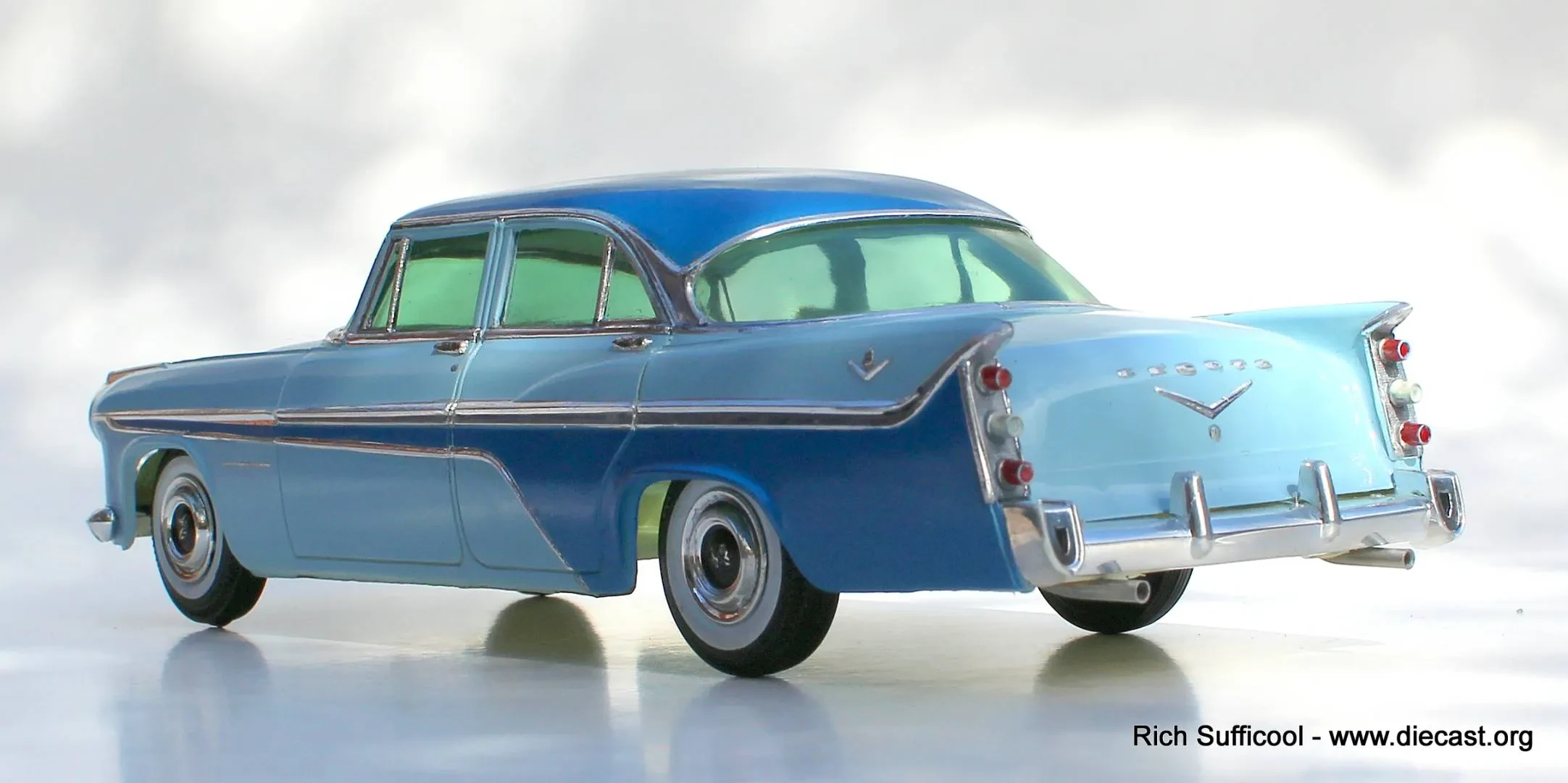
Alright, so you’re thinking about diving into the world of custom diecast cars? Awesome! One of the coolest ways to do that is using ADC diecast blanks. These are basically unpainted, undecorated diecast car bodies just waiting for your creative touch. Think of them as a blank canvas for your miniature automotive masterpiece. This article will walk you through everything you need to know about them.

What Exactly ARE ADC Diecast Blanks?
ADC stands for Auto Diecast Company. They’re known for producing high-quality diecast car bodies that are perfect for customizers. Instead of buying a complete, painted car and stripping it down (which can be a pain), you start with a blank. This saves you time and effort and ensures you have a clean base to work with.
These blanks are typically made of Zamac, a zinc alloy commonly used in diecast manufacturing. This makes them durable and easy to work with. They come in various scales, most commonly 1/64 (Hot Wheels size), 1/43, and 1/24, catering to different levels of detail and customization.
Why Use Blanks Instead of Existing Cars?
Good question! There are several reasons why using ADC blanks can be a superior option for customization:
- Clean Slate: You start with a completely unpainted body, avoiding the tedious process of stripping paint.
- No Existing Details: You don’t have to worry about removing tampos (factory-printed details) or dealing with imperfections from the original paint job.
- Customization Focus: Blanks encourage creativity and allow you to design every aspect of the car’s appearance from scratch.
- Cost-Effective (Sometimes): Depending on the specific car you’re trying to replicate, a blank can sometimes be cheaper than buying a complete car and stripping it.
Finding the Right ADC Blank for Your Project
Okay, you’re sold on the idea of using a blank. Now, where do you find one? The availability of specific ADC blanks can vary. Here’s a breakdown of where to look:
- Online Retailers: Websites specializing in diecast customization parts often carry ADC blanks. Search for terms like “ADC diecast blanks,” “custom diecast bodies,” or “1/64 scale blank car.” Popular platforms like eBay and Etsy can also be good sources.
- Diecast Conventions and Shows: These events are a great place to find rare or hard-to-find blanks. You can also connect with other customizers and get valuable advice.
- Directly from ADC (If Possible): While they might not always sell directly to individuals, it’s worth checking the Auto Diecast Company website or contacting them to see if they have any available blanks.
When searching, be specific about the scale you need (e.g., 1/64, 1/43, 1/24) and any particular make or model you’re looking for. Keep in mind that some blanks are more common than others.

Tools and Materials You’ll Need
Before you start customizing, make sure you have the right tools and materials. Here’s a basic list:
- Sandpaper: Various grits for smoothing the surface and removing imperfections.
- Primer: To prepare the metal surface for paint.
- Paint: Enamel, lacquer, or acrylic paints specifically designed for models.
- Clear Coat: To protect the paint and add a glossy finish.
- Detail Brushes: For painting fine details.
- Masking Tape: For creating clean lines and protecting areas from paint.
- Cutting Tools: Hobby knife or rotary tool for modifications.
- Glue: For attaching small parts.
- Decals: For adding logos, racing stripes, or other graphics.
- Clear Coat: To protect the paint and decals.
- Polishing Compound: To achieve a smooth, professional finish.
The Customization Process: A Step-by-Step Guide
Alright, let’s get down to the fun part! Here’s a general outline of the customization process. Remember, this is just a guideline – feel free to experiment and find what works best for you.
Step 1: Preparation
Start by inspecting the blank for any imperfections, such as casting marks or rough edges. Use sandpaper to smooth these out. Clean the blank thoroughly with soap and water to remove any dirt or oil. This ensures proper paint adhesion.
Step 2: Priming
Apply a thin, even coat of primer. Primer helps the paint adhere better and provides a uniform base color. Let the primer dry completely before moving on to the next step. Multiple thin coats are better than one thick coat.
Step 3: Painting
Apply your chosen paint in thin, even coats. Allow each coat to dry completely before applying the next. Multiple coats will provide better coverage and a more durable finish. Use masking tape to create clean lines and protect areas you don’t want to paint.
Step 4: Detailing
This is where you add the finer details, such as headlights, taillights, and trim. Use small brushes and steady hands. Decals can be applied to add logos, racing stripes, or other graphics. Seal the decals with a thin layer of clear coat to protect them.
Step 5: Clear Coating
Apply several thin coats of clear coat to protect the paint and decals. Let the clear coat dry completely. This step is crucial for a professional-looking finish.
Step 6: Polishing (Optional)
If you want an ultra-smooth, glossy finish, you can polish the clear coat with a polishing compound. This will remove any imperfections and create a mirror-like shine.

Tips and Tricks for Working with ADC Blanks
Here are a few extra tips to help you along the way:
- Practice on Scrap: Before working on your blank, practice your painting and detailing techniques on a piece of scrap metal or plastic.
- Thin Your Paints: Thinner paints flow better and create a smoother finish. Use a paint thinner specifically designed for the type of paint you’re using.
- Use a Respirator: When spraying paint or primer, always wear a respirator to protect yourself from harmful fumes.
- Take Your Time: Customizing diecast cars is a time-consuming process. Don’t rush, and enjoy the journey.
- Join a Community: Connect with other diecast customizers online or at local events. You can learn a lot from others and share your own creations.
Remember, the best way to learn is by doing. Don’t be afraid to experiment and make mistakes. The more you practice, the better you’ll become at customizing diecast cars.
Advanced Techniques (Beyond the Basics)
Once you’re comfortable with the basics, you can explore more advanced techniques:
- Body Modifications: Cutting and reshaping the body to create custom designs.
- Engine Swaps: Replacing the original engine with a different one.
- Wheel Swaps: Adding custom wheels and tires.
- Interior Detailing: Adding seats, dashboards, and other interior features.
- Lighting: Installing LEDs for working headlights, taillights, and interior lights.
These techniques require more skill and specialized tools, but they can take your customizations to the next level.
Where to Find Inspiration?
Stuck for ideas? There’s plenty of inspiration out there!
- Online Forums: Dedicated diecast forums are teeming with examples.
- Instagram: Search hashtags like #diecastcustoms, #customdiecast, or #hotwheelscustoms.
- YouTube: Many customizers share their builds and techniques in video form.
- Real Cars: Look at real-life cars for color schemes, modifications, and detailing ideas.
So there you have it! A comprehensive guide to ADC diecast blanks. Now go forth, grab a blank, and unleash your inner artist. Happy customizing!