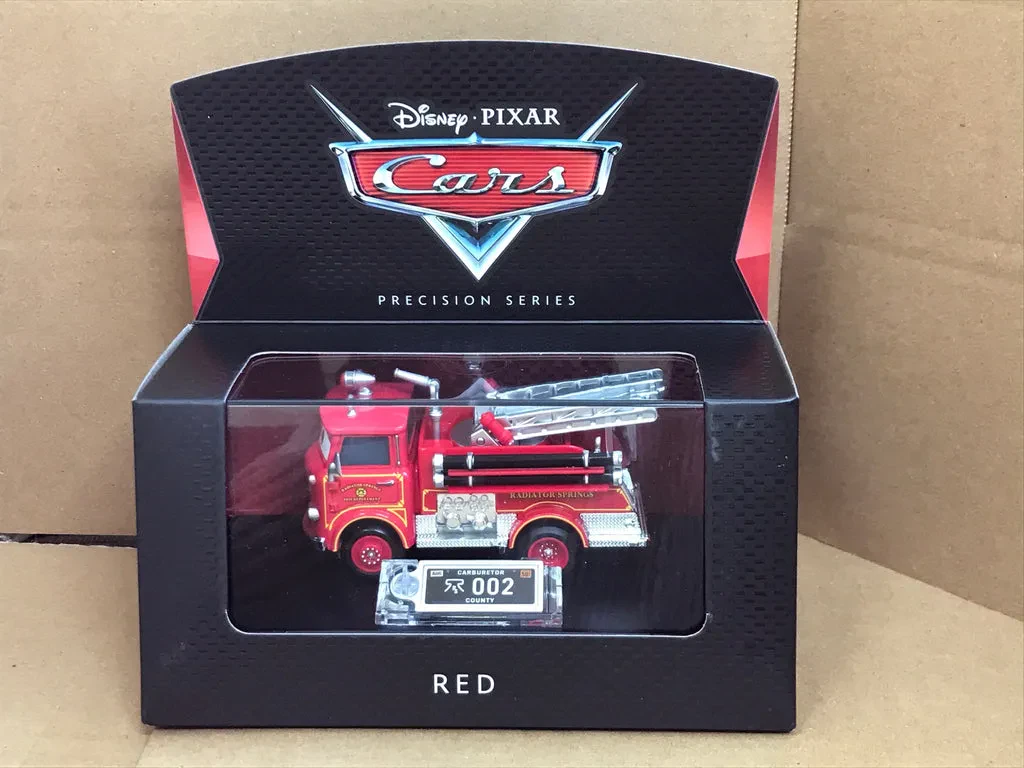
Ever walked into a store and been completely mesmerized by those tiny, detailed cars? The ones that look like they’ve shrunk down directly from the showroom? Those, my friend, are often precision diecast cars, and they represent a seriously cool and engaging hobby.
What Exactly IS a Precision Diecast Car?
Okay, let’s break it down. “Diecast” refers to the manufacturing process. Molten metal, typically zinc alloy, is poured into a mold (the “die”) under high pressure. This creates the main body and chassis of the car. “Precision” is where it gets interesting. It indicates a high level of detail, quality, and accuracy. These aren’t your kid’s clunky toys. They’re miniature masterpieces, often meticulously replicating real-world vehicles.

Key Features of a Precision Diecast
- Detailed Exteriors: Think realistic paint jobs, accurate body lines, and tiny details like working lights, mirrors, and wipers.
- Opening Features: Doors, hoods, trunks – they often all open! Some even have functional steering.
- Interior Accuracy: Dashboard details, seats, steering wheels, and even seatbelts are often faithfully reproduced.
- High-Quality Materials: The diecast metal body is usually complemented by rubber tires and other materials like plastic for specific parts.
- Scale Accuracy: These cars are made in precise scales, like 1:18 or 1:24, meaning they’re a specific fraction of the size of the real car.
The World of Scales: Size Does Matter!
One of the first things you’ll encounter is the scale. This tells you how much smaller the model is compared to the real car. Here are the most common scales:
- 1:18 Scale: This is a popular scale, offering a good balance of detail and size. They’re usually around 10-12 inches long.
- 1:24 Scale: Slightly smaller than 1:18, still offering great detail and a good size for display.
- 1:43 Scale: These are smaller, often used to represent a wider range of cars due to space constraints. Easier to collect a large variety.
- 1:64 Scale: This is the scale of many ‘Hot Wheels’ and ‘Matchbox’ cars. Very affordable and easy to store.

Choosing Your First Diecast Car: Where to Begin?
Starting a collection can feel overwhelming, but don’t sweat it! Here’s how to begin:
- Pick a Theme: Do you love classic cars? Muscle cars? Sports cars? Modern supercars? Focusing on a theme will help you narrow your choices and build a cohesive collection.
- Set a Budget: Diecast cars range in price. Decide how much you’re willing to spend per model.
- Research Brands: Some brands specialize in certain types of cars or offer better detail than others. (More on brands below).
- Consider Scale: As mentioned, different scales have different display needs. Think about the space you have available.
- Start Small: You don’t need to buy a dozen cars at once. Buy one or two you really like and build from there.
Popular Diecast Car Brands – Who Makes the Good Stuff?
There are tons of brands out there, each with their strengths and weaknesses. Here are some of the big players:
- AUTOart: Known for high-quality models, often with incredible detail and realistic interiors. They focus on various car types.
- Minichamps: A reputable brand offering a wide range of vehicles, including classic cars and race cars. Their detail is generally excellent.
- Bburago: A more affordable option, perfect for those starting out. They provide a good level of detail for the price.
- Kyosho: Kyosho is known for their focus on Japanese cars and often have excellent quality and detail.
- Hot Wheels/Matchbox: These are more toy-focused, but some of their premium lines can offer impressive detail at a budget-friendly price.
- CMC (Classic Model Cars): CMC specializes in high-end, highly detailed models, often of classic and vintage cars. Expect to pay a premium price for these gems.
- GT Spirit/FrontiArt: These offer resin-based models (no opening features), usually with very detailed exteriors and focus on modern supercars.

Where to Buy Your Diecast Cars
Finding these miniature marvels is easier than ever! Here are your main options:
- Online Retailers: Amazon, eBay, and specialized diecast model shops are great places to find a wide selection.
- Local Hobby Shops: Support your local businesses! Hobby shops often have a good selection and knowledgeable staff.
- Model Car Shows/Swap Meets: These events are a treasure trove for collectors. You can find rare models and meet other enthusiasts.
- Direct from Manufacturers: Some manufacturers have their own online stores or sell through authorized dealers.
Taking Care of Your Collection: Display and Preservation
Once you start building your collection, you’ll want to keep those models looking their best. Here’s how:
- Display Cases: Protect your models from dust and accidental damage. Glass-fronted cases are ideal.
- Avoid Direct Sunlight: UV light can fade the paint over time. Keep your models out of direct sunlight.
- Dust Regularly: Use a soft brush or a microfiber cloth to gently dust your models.
- Handle with Care: Avoid touching the paint excessively, as oils from your skin can damage it. Hold them by the chassis if possible.
- Proper Storage: If you need to store your models, keep them in a cool, dry place, away from extreme temperatures.

The Joy of Collecting: Why Do People Love Diecast Cars?
Collecting diecast cars is more than just accumulating miniature vehicles. It’s a hobby that offers a lot of rewards:
- Nostalgia: Many people collect models of cars they’ve owned, dreamed of owning, or had special memories associated with.
- Appreciation for Detail: The incredible level of detail in these models is a testament to craftsmanship and engineering.
- Community: Joining a diecast car club or forum connects you with like-minded enthusiasts.
- Historical Interest: Diecast cars document automotive history, allowing you to collect models from different eras.
- Investment Potential: Some rare or limited-edition models can increase in value over time.
Trends and What’s New in 2024
The diecast car world is always evolving. In 2024, we’re seeing:
- Increased Detail: Manufacturers are constantly pushing the boundaries of detail, with even more realistic interiors and engine bays.
- New Materials: Resin models, which offer incredibly intricate details, are becoming increasingly popular.
- Electric Car Models: With the rise of electric vehicles, more manufacturers are producing detailed models of EVs.
- Limited Editions: Exclusive runs of models continue to be highly sought after by collectors.
- Focus on Automation: Many diecast makers start to implement automation to maximize product and quality.
Starting Your Diecast Adventure in 2024!
So, are you ready to get started? Collecting precision diecast cars is a fantastic hobby. It’s a chance to celebrate your love of cars, enjoy the artistry of miniature models, and connect with a passionate community. Don’t be afraid to dive in, do your research, and most importantly, have fun!

Final Thoughts: More Than Just Toys
Precision diecast cars offer a unique blend of art, history, and passion. They are a testament to the enduring allure of automobiles and a way to share your appreciation for design and engineering. Embrace the hobby, and enjoy the ride!