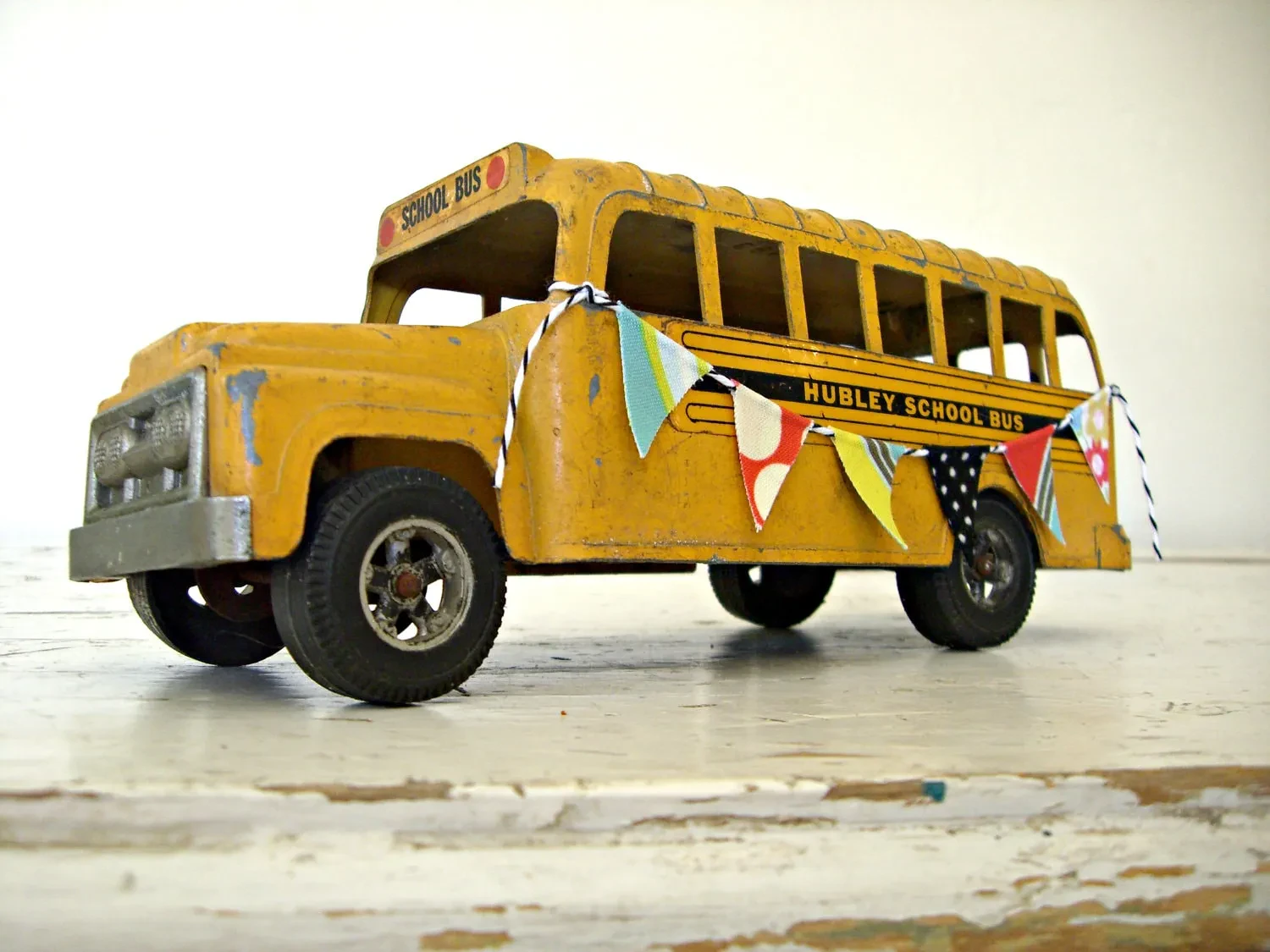
Ever since you were little, you may have been fascinated by those little yellow school buses. Now, as an adult, you might find yourself captivated by the intricacy of diecast school bus replicas. They’re more than just toys; they’re miniature works of art, capturing the details of a beloved icon of childhood.
The appeal of diecast school bus toys is wide-ranging. For some, it’s nostalgia – a trip back to riding the bus to school. For others, it’s the sheer craftsmanship, the attention to detail in recreating these vehicles in miniature. And let’s not forget the sheer fun of collecting them!
A Brief History of Diecast School Buses
While pinpointing the exact beginning of diecast school bus production is tricky, it’s safe to say they’ve been around for decades. Early models were often simpler, with less detail, but as technology advanced, so did the accuracy and intricacy of these miniature marvels.
The evolution of diecast models mirrors the advancements in manufacturing techniques. Early models might have lacked features like opening doors or detailed interiors, while modern models boast incredibly realistic paint jobs, working parts, and even miniature passengers!
Popular Brands and Manufacturers
Several companies specialize in producing high-quality diecast school buses. Some of the most well-known names include Matchbox, Hot Wheels, and Tomica. Each brand offers unique styles and levels of detail, allowing collectors to build a diverse collection.
Beyond the big names, smaller manufacturers and artisan creators also offer unique and sometimes highly collectible school bus models. Keep an eye out for limited-edition releases and special collaborations!


What to Look For When Collecting
When building your collection, consider factors like scale, brand reputation, and condition. Scale refers to the size of the model relative to the real thing. Popular scales include 1:64 and 1:43.
The condition of the diecast is crucial. Look for models that are free from damage, with pristine paint and intact parts. Packaging can also be important to some collectors, adding value to mint-in-box models.
Rarity also plays a role. Limited-edition releases or models from discontinued lines can be quite valuable. Researching specific models and their history can help you identify hidden gems.
Where to Find Diecast School Buses
You can find diecast school buses at a variety of places. Toy stores, both online and brick-and-mortar, often carry a selection. Online marketplaces like eBay and specialized diecast websites offer a huge range of models, from common to rare.
Antique shops and flea markets can also be treasure troves, potentially uncovering vintage models that would make excellent additions to your collection. Don’t be afraid to explore different avenues!
Beyond the Basics: Customization and More
Some collectors take their hobby a step further by customizing their diecast school buses. This could involve repainting, adding decals, or even modifying the interior. It’s a creative outlet that can truly personalize your collection.
The world of diecast school bus collecting is vast and rewarding. It’s a hobby that combines nostalgia, passion, and the thrill of the hunt. Whether you’re a seasoned collector or just starting out, there’s a miniature yellow bus waiting to join your collection!
- Check online marketplaces for rare finds
- Attend toy shows and conventions
- Join online collector communities for tips and advice
- Research the history of different brands and models
- Consider the scale and condition of each model before purchasing