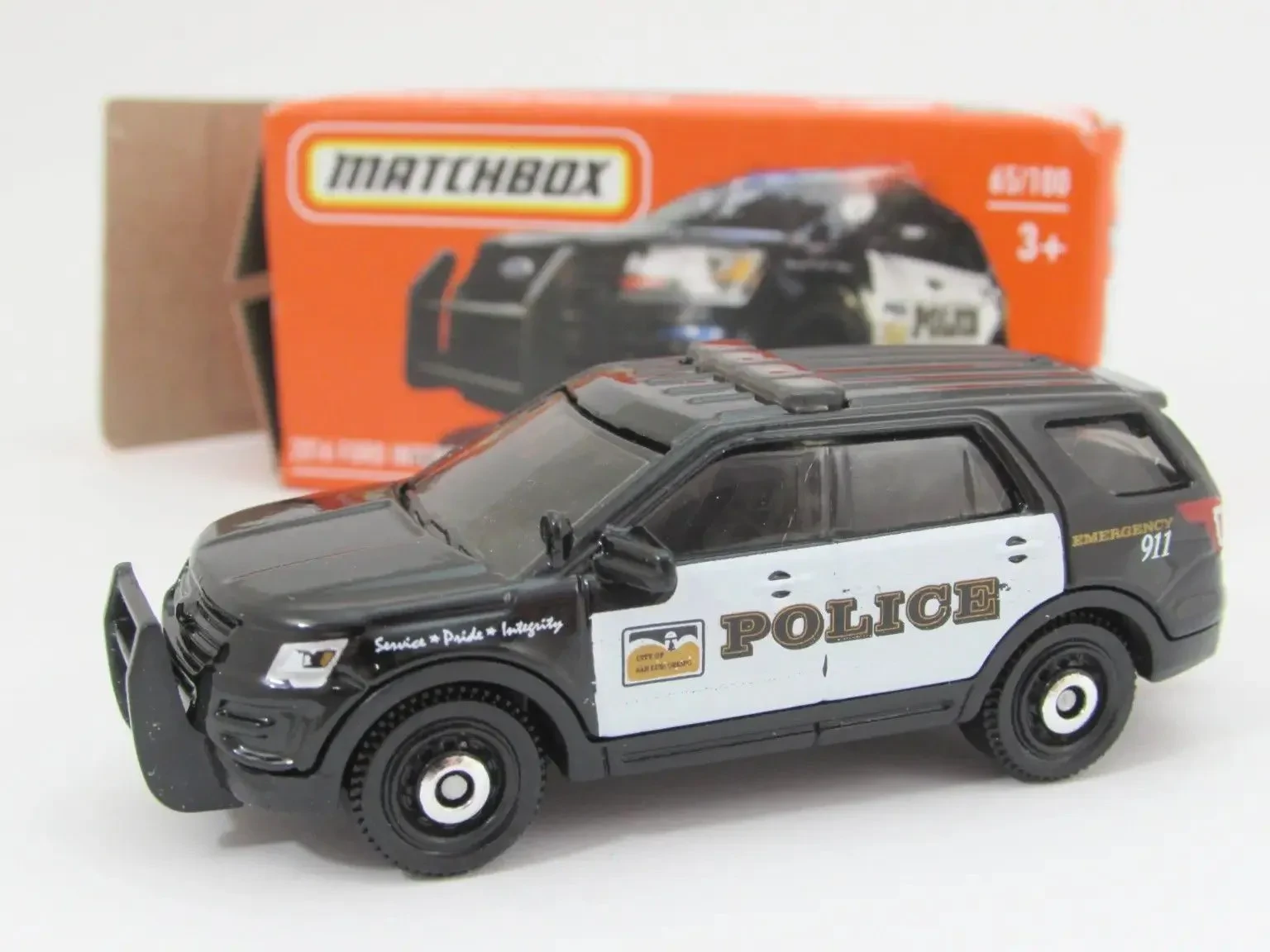
Let’s be honest, diecast police cars are awesome. But even the most detailed models can feel a little… flat. That’s where adding LED lights comes in. Suddenly, that tiny patrol car looks like it’s ready for action, with realistic flashing lights that’ll make you feel like you’re directing a miniature police chase.
It might sound complicated, but trust me, it’s not as hard as you think. With a little patience and the right tools, you can transform your collection from static models into dynamic displays that’ll impress even the most seasoned collector.
Choosing the Right LEDs
The first step is selecting your LEDs. You’ll want to find ones that are small and bright enough to be effective, but not so large that they look out of place on your model. Surface mount LEDs are a popular choice because of their compact size. Consider the color – red and blue are obvious choices for police cars, but you could also add amber lights for a more comprehensive effect.
Many online retailers specialize in miniature LEDs designed for model building. Look for specifications that include size, voltage, and current. Lower voltage LEDs (like 3V) are often easier to work with for this kind of project.

Gathering Your Supplies
Besides the LEDs, you’ll need a few other things. A small battery (a button cell battery like a CR2032 is often a good choice) is essential to power your lights. You’ll also need some very fine wires to connect everything. Soldering is the best way to make a secure and reliable connection, so a soldering iron and solder are highly recommended. Tweezers will be invaluable for handling the tiny components.
Don’t forget a small drill with tiny drill bits. You’ll use these to create holes in your diecast car’s body to accommodate the LEDs and wires.
- Surface mount LEDs (red and blue)
- CR2032 button cell battery
- Fine gauge wire
- Soldering iron and solder
- Tweezers
- Small drill with tiny drill bits
- Hobby knife or scalpel (optional, for detail work)
- Clear glue or epoxy (optional, for securing components)

Installing the LEDs
Carefully drill small holes in your diecast car where you want the lights to go. Remember to be gentle, as you don’t want to damage the model. Then, solder the wires to the LEDs, making sure the connections are secure. Carefully feed the wires into the holes you drilled.
Connect the wires from the LEDs to the battery, remembering to check the polarity (positive and negative). Test your lights to make sure everything works. If you’re using more than one LED, you may need to use a small resistor to control the current and protect the LEDs from damage.
Once you’re happy with the placement and functionality of the lights, you can use a small amount of glue or epoxy to secure the LEDs and wires in place. This will keep everything neat and prevent loose components.

Adding a Switch (Optional)
For a more professional finish, consider adding a tiny switch to turn the lights on and off. This can be a miniature slide switch or a push-button switch, which you can find at many electronics retailers.
Integrating a switch adds a bit more complexity, but it lets you control the lights without having to constantly connect and disconnect the battery.

Finishing Touches
After installing your lights, carefully inspect your work. If needed, make adjustments to ensure the lights are positioned correctly and the wires are hidden as much as possible. A little bit of touch-up paint can help to camouflage any minor imperfections.
With a little effort, you can dramatically enhance your diecast police cars with realistic LED lighting. Enjoy the upgraded look and the satisfaction of having successfully completed a fun model modification project!