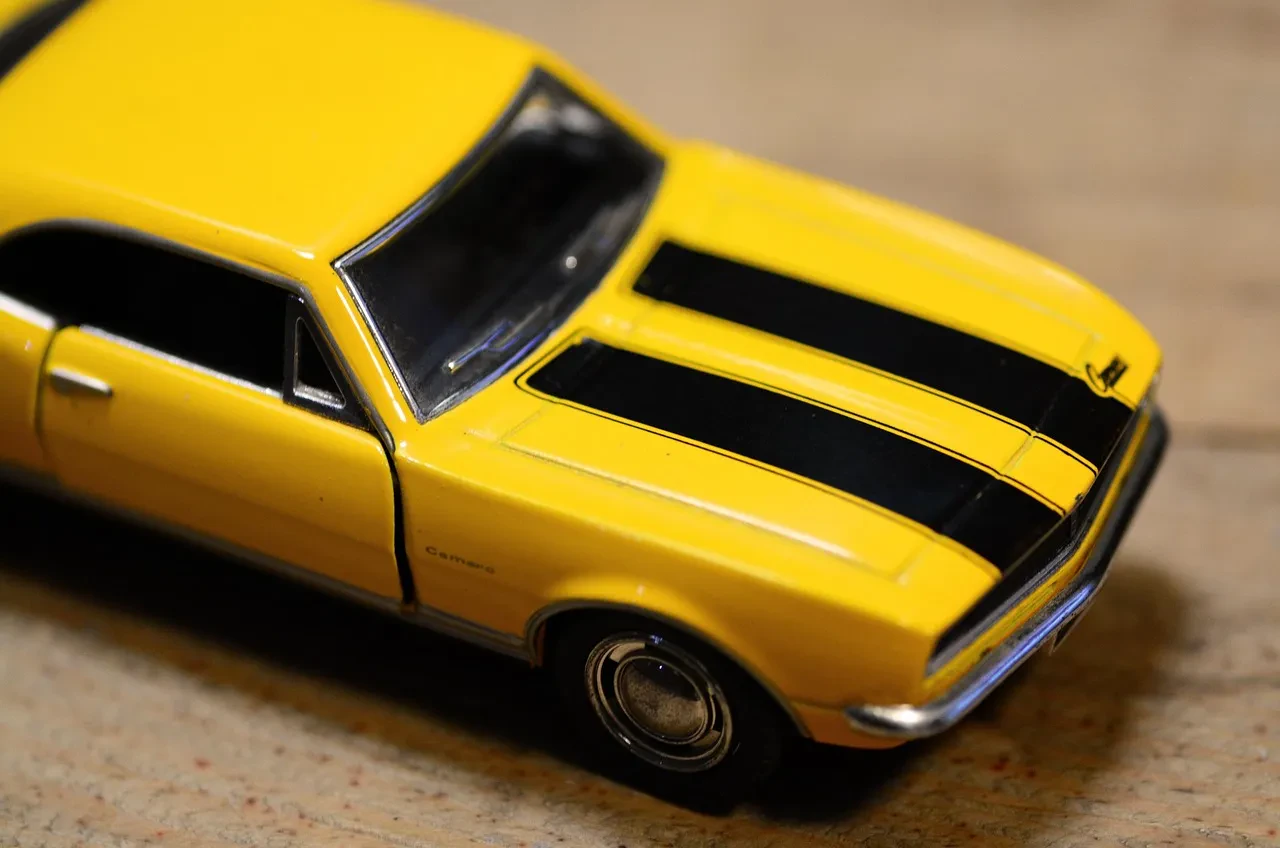
Ever wondered about those miniature cars, trucks, and other vehicles that seem to capture the essence of their full-sized counterparts? Those are diecast cars, and they’re more than just toys. They’re collectibles, pieces of art, and nostalgic reminders of our automotive dreams. Whether you’re a seasoned collector or just curious about the hobby, this guide will give you the lowdown on everything diecast.

What Exactly IS a Diecast Car?
Simply put, a diecast car is a model vehicle constructed primarily from die-cast metal. ‘Die-casting’ is a manufacturing process where molten metal is forced into a mold cavity under high pressure. Once cooled and solidified, the casting is ejected, resulting in a detailed and durable miniature replica.
While metal is the main component, diecast cars often incorporate plastic, rubber, and glass parts for detailing like windows, tires, and interior elements. The level of detail can range from basic to incredibly intricate, depending on the manufacturer and the intended price point.
The appeal of diecast cars lies in their realism, durability, and collectibility. They offer a tangible connection to our favorite vehicles, allowing us to own miniature versions of cars we admire, aspire to own, or remember fondly from our past.
A Brief History of Diecast Cars
The history of diecast cars dates back to the early 20th century. One of the pioneers in the field was Meccano Ltd, a British company known for its construction sets. They introduced diecast toy cars under the Dinky Toys brand in 1933. These early Dinky Toys were simple but innovative, capturing the public’s imagination.
In the following decades, other manufacturers entered the market, including Corgi Toys (also British) and Solido (French). Corgi Toys are credited with adding features like transparent windows, which increased realism. Solido focused on detailed models of classic and contemporary cars.
The American market was significantly impacted by Tootsietoy, which produced small, inexpensive diecast vehicles. During the mid-20th century, the competition among these brands drove innovation and improvements in diecast car design and manufacturing.
The arrival of Hot Wheels in 1968 changed the game. Mattel’s Hot Wheels cars were designed with low-friction axles and vibrant colors, emphasizing speed and playability. They became an instant hit, especially with children, and helped popularize diecast cars on a global scale.
Over the years, diecast car manufacturing has evolved. Advances in technology have allowed for more detailed and accurate models. Today, many companies specialize in producing high-end, limited-edition diecast cars that appeal to serious collectors.

Different Scales Explained
Diecast cars come in various scales, which indicate their size relative to the real vehicle. Understanding these scales is crucial for collectors who want to display or organize their collections consistently.
- 1/18 Scale: These are large, highly detailed models, often featuring opening doors, hoods, and trunks. They are popular among collectors who appreciate intricate details.
- 1/24 Scale: Slightly smaller than 1/18 scale, 1/24 scale models still offer a good level of detail and are often more affordable.
- 1/43 Scale: This is a very popular scale for collectors, balancing size, detail, and affordability. Many classic and contemporary cars are available in 1/43 scale.
- 1/64 Scale: This scale is commonly associated with Hot Wheels and Matchbox cars. These are smaller and more affordable, making them popular for casual collectors and children.
- 1/87 Scale (HO Scale): Primarily used for model trains, HO scale diecast cars are very small and often used in diorama settings.
- Other Scales: There are other less common scales, such as 1/12 (larger, very detailed), 1/72, and 1/76.
Choosing the right scale depends on your collecting goals, display space, and budget. Many collectors focus on a specific scale to maintain consistency within their collection.
Popular Diecast Car Brands in 2024
The diecast car market is populated by many brands, each with its own unique strengths and specialties. Here are some of the most popular brands in 2024:
- Hot Wheels: Known for their affordability, playability, and wide variety of designs, Hot Wheels remain a staple in the diecast car world.
- Matchbox: Matchbox focuses on realism and replicating everyday vehicles, including cars, trucks, and emergency vehicles.
- Autoart: Autoart produces high-end, incredibly detailed diecast models, often in 1/18 scale. They are known for their accuracy and quality.
- Minichamps: Minichamps offers a wide range of diecast models, including classic and contemporary cars, motorcycles, and racing cars. They are known for their attention to detail.
- Greenlight Collectibles: Greenlight specializes in replicating vehicles from movies, TV shows, and pop culture. They offer a wide range of licensed products.
- Johnny Lightning: Johnny Lightning focuses on classic American cars and muscle cars. They are known for their detailed paint jobs and realistic features.
- Tomytec: Tomytec specializes in Japanese diecast models, including cars, trucks, and buses. They are known for their accuracy and collectibility.
- Kyosho: Kyosho manufactures high-quality diecast cars and radio-controlled vehicles.

Why Collect Diecast Cars?
The reasons people collect diecast cars are as varied as the collectors themselves. Here are some of the most common motivations:
- Nostalgia: Diecast cars can evoke memories of childhood, family cars, or favorite movies and TV shows.
- Appreciation for Automotive Design: Collectors often admire the design and engineering of real cars and enjoy owning miniature replicas.
- Investment: Some rare or limited-edition diecast cars can appreciate in value over time, making them a potential investment.
- Hobby and Passion: Collecting diecast cars can be a rewarding hobby, providing a sense of accomplishment and connection with other enthusiasts.
- Display and Decoration: Diecast cars can be displayed in cabinets, shelves, or dioramas, adding a touch of personality and style to a room.
- Completeness: Some collectors strive to complete a set or series of diecast cars, adding a sense of purpose to their collecting efforts.
Ultimately, collecting diecast cars is a personal pursuit driven by individual interests and passions. There’s no right or wrong way to collect, and the most important thing is to enjoy the hobby.
Tips for Starting Your Diecast Car Collection in 2024
If you’re thinking about starting a diecast car collection in 2024, here are some tips to help you get started:
- Define Your Focus: Decide what types of diecast cars you’re interested in collecting. Do you prefer classic cars, sports cars, movie cars, or a specific scale? Defining your focus will help you narrow your search and avoid getting overwhelmed.
- Set a Budget: Determine how much you’re willing to spend on your collection. Diecast cars range in price from a few dollars to hundreds of dollars, so it’s important to set a budget and stick to it.
- Research: Learn about different brands, scales, and models. Read reviews, watch videos, and join online forums to gain knowledge about the diecast car market.
- Start Small: Begin with a few affordable cars that you like. Don’t feel pressured to buy everything at once. Build your collection gradually over time.
- Attend Shows and Events: Visit diecast car shows and events to meet other collectors, see different models, and find deals.
- Join Online Communities: Connect with other diecast car enthusiasts online through forums, social media groups, and online marketplaces.
- Protect Your Collection: Store your diecast cars in a safe and clean environment. Consider using display cases or protective packaging to prevent damage.
- Have Fun!: Collecting diecast cars should be an enjoyable hobby. Don’t take it too seriously and remember to have fun with it.
The world of diecast cars is vast and exciting, offering something for everyone. Whether you’re a seasoned collector or just starting out, there’s always something new to discover. So, jump in, explore, and enjoy the ride!
