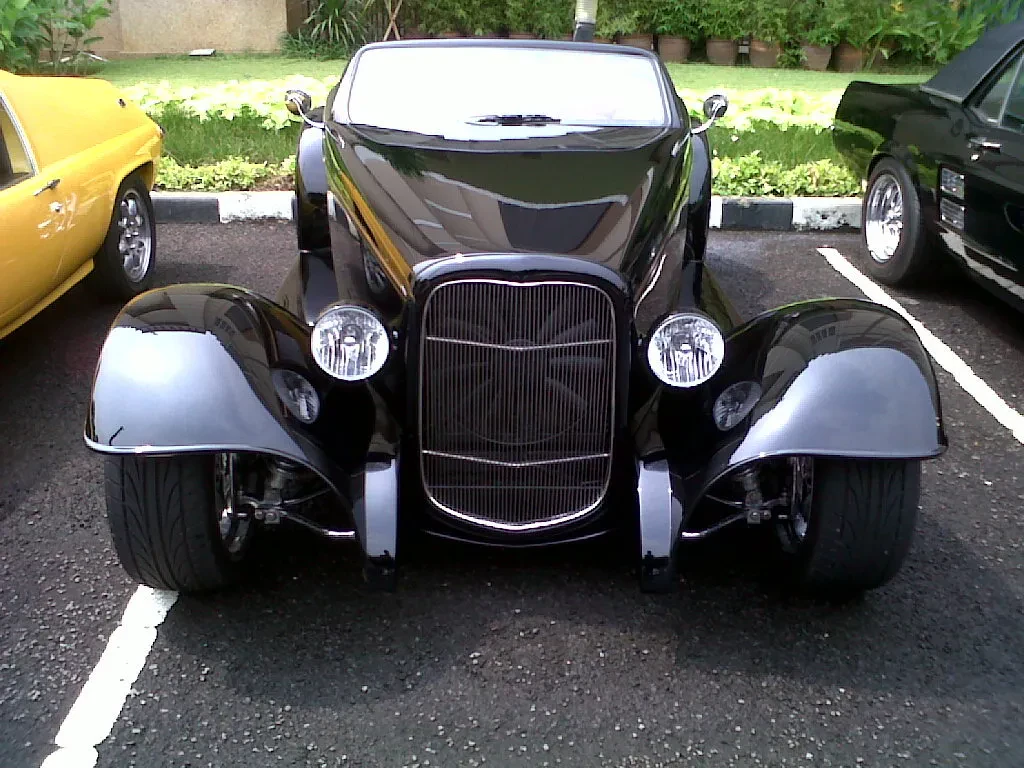
So, you’re thinking about diecast classic cars, huh? Or maybe you’ve already got a few gleaming on your shelf. Either way, welcome to the club! Collecting these miniature marvels is a hobby that’s both nostalgic and incredibly rewarding. We’re talking about tiny replicas of automotive legends, perfectly capturing the essence of a bygone era. From the sleek curves of a 1957 Chevy Bel Air to the rugged charm of a vintage Land Rover, these diecast models are more than just toys; they’re pieces of history you can hold in your hand.

What’s the Deal with Diecast, Anyway?
Okay, let’s break it down. ‘Diecast’ refers to the manufacturing process. Molten metal, usually zinc alloy (often called Zamak), is forced into a mold (or ‘die’) under high pressure. This results in a highly detailed and durable miniature. This method became popular in the early 20th century, primarily for creating toys and models. The strength and precision of diecast construction made it ideal for replicating the intricate details of automobiles.
While plastic models have their place, diecast models often offer a more premium feel and greater durability. The weight and solid construction just scream quality. Plus, the paint finishes on many diecast cars are incredibly realistic, mimicking the original car’s color and sheen. This attention to detail is a major reason why collectors are drawn to them.
The Allure of Classic Cars in Miniature
Why classic cars specifically? Well, for many, it’s about nostalgia. These cars represent a golden age of automotive design, a time when cars had character and weren’t just bland, mass-produced boxes. Each classic car tells a story, evoking memories of road trips, iconic movies, and simpler times. Owning a diecast replica allows you to connect with that history in a tangible way.
Think about it: A miniature 1967 Ford Mustang Shelby GT500 isn’t just a toy; it’s a symbol of American muscle car culture. A tiny Citroen DS represents French innovation and avant-garde design. Each model is a miniature work of art, capturing the spirit of its full-sized counterpart.

Getting Started: Building Your Diecast Classic Car Collection
So, you’re ready to dive in? Awesome! Here’s a little roadmap to help you navigate the world of diecast collecting:
1. Decide on Your Focus
Do you have a particular era you love? Maybe the 1950s, with their chrome-laden cruisers? Or perhaps the 1960s, the age of muscle cars and British roadsters? Or are you only interested in European classics? Narrowing your focus will make your collecting journey much more manageable and enjoyable. You might also consider focusing on a particular brand, like Mercedes-Benz, Porsche, or Chevrolet.
Another factor to consider is scale. Common scales include 1:18, 1:24, 1:43, and 1:64. 1:18 models are larger and offer more detail, but they also take up more space. 1:64 models, like Hot Wheels or Matchbox cars, are more affordable and easier to display, but they might lack the intricate details of larger scales.
2. Do Your Research
Before you start buying, learn about the different manufacturers, the quality of their models, and their pricing. Some popular brands include Autoart, Minichamps, Hot Wheels (for more affordable options), GreenLight Collectibles, and Kyosho. Read reviews, watch YouTube videos, and browse online forums to get a sense of what’s out there.
Also, be aware of limited editions and rare models. These can be highly sought after by collectors and can increase in value over time. However, be careful of counterfeits and always buy from reputable dealers.
3. Set a Budget
Diecast collecting can be an expensive hobby, so it’s important to set a budget and stick to it. Decide how much you’re willing to spend each month and don’t get carried away by impulse purchases. Remember, it’s a marathon, not a sprint!
4. Where to Buy
You can find diecast classic cars in a variety of places: online retailers (like Amazon, eBay, and specialized diecast shops), local hobby stores, flea markets, and car shows. Online retailers offer a wide selection and competitive prices, but it’s important to check the seller’s reputation before buying. Hobby stores allow you to see the models in person before you buy, but they might have a smaller selection and higher prices. Flea markets and car shows can be great places to find bargains, but you’ll need to be prepared to haggle.
5. Display and Care
Once you’ve started building your collection, you’ll want to display it proudly. Consider investing in a display case or shelving unit to protect your models from dust and damage. Keep them out of direct sunlight, as this can fade the paint over time. Also, handle them carefully to avoid scratches and broken parts.

Why Collect Diecast Classic Cars in 2024?
In 2024, the appeal of diecast classic cars remains strong. It’s a tangible connection to automotive history, a way to appreciate beautiful design, and a rewarding hobby that can be enjoyed by people of all ages. Plus, with the increasing popularity of online communities and social media groups dedicated to diecast collecting, it’s easier than ever to connect with other enthusiasts, share your passion, and learn from experienced collectors. So, what are you waiting for? Start your engines and dive into the fascinating world of diecast classic cars!
- They make great conversation starters.
- They are a fun hobby for all ages.
- They can become valuable investments.
- They are a cool way to learn about automotive history.
- They look awesome on display!
Ultimately, collecting diecast classic cars is about more than just owning miniature replicas. It’s about celebrating automotive history, appreciating beautiful design, and connecting with a community of like-minded enthusiasts. It’s a journey of discovery, and it’s one that you can enjoy for years to come. So, go ahead, find that first classic car diecast that speaks to you and start collecting!