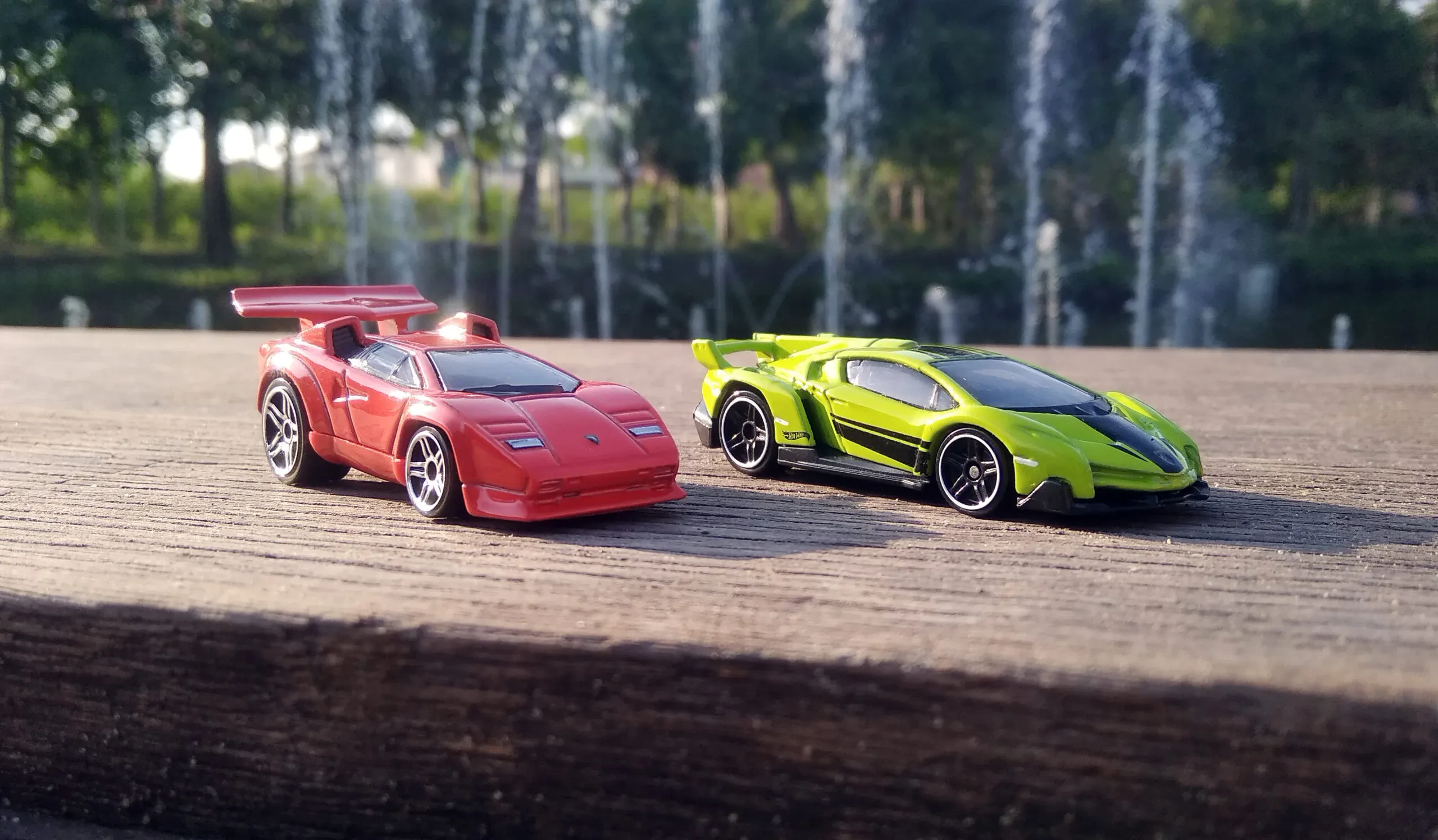
So, you’re curious about the diecast car scene back in 1956? Buckle up, because we’re about to take a trip down memory lane! This was a pivotal year for diecast model cars, a time when manufacturers were really starting to push the boundaries of detail and realism. Let’s dive into some of the manufacturers and models that made 1956 a year to remember for diecast collectors.

Who Was Making Waves Back Then?
Several key players dominated the diecast market in 1956. Names like Dinky Toys, Corgi Toys, and Tootsietoy were all household names, known for producing high-quality, durable, and increasingly detailed models. These brands weren’t just making toys; they were crafting miniature replicas of the cars people saw on the streets, and that level of realism was a major selling point.
Dinky Toys, a British manufacturer, was particularly influential. They were known for their wide range of models, from everyday sedans to commercial vehicles. Corgi Toys, another British company, quickly gained popularity for introducing innovative features like windows and interior detailing, raising the bar for diecast realism. Tootsietoy, an American staple, continued to offer simpler, more robust models, often favored for their playability.
Dinky Toys the British Pioneer
Dinky Toys was a powerhouse in 1956, pumping out a variety of models that captured the essence of mid-century motoring. They were all about replicating real-world vehicles, and their attention to detail, while not as intricate as later models, was impressive for the time. Think about the classic British cars like Austin, Morris, and Triumph – Dinky likely had a miniature version of it!
Their models weren’t just static displays, either. They often featured working steering, rolling wheels, and sometimes even opening doors or trunks. This made them incredibly engaging for kids (and adults who were kids at heart!). Dinky’s commitment to realism and playability helped solidify their position as a leading diecast manufacturer.

Corgi Toys Raising the Bar
Corgi Toys entered the scene in 1956 and immediately shook things up. What set them apart? Windows! Yes, it sounds simple, but adding windows to their diecast models was a game-changer. Suddenly, you could see the interior details, making the models feel much more realistic and lifelike.
Beyond windows, Corgi also focused on improving the overall level of detail. They incorporated more intricate castings, better paint finishes, and even added little features like rubber tires. Corgi models were often seen as a step above the competition in terms of quality and realism.

Tootsietoy the American Classic
Tootsietoy had been around for decades by 1956, and they continued to offer a range of affordable and durable diecast models. While not as detailed as Dinky or Corgi, Tootsietoy models were known for their robust construction and playability. They were built to withstand rough handling, making them a popular choice for younger children.
Tootsietoy models often featured simpler designs and less intricate details, but they were still instantly recognizable as miniature versions of real-world vehicles. They focused on creating toys that were fun and engaging, rather than hyper-realistic replicas. This approach allowed them to keep prices down and appeal to a wider audience.

Popular Models of 1956 What Were People Collecting?
Determining the absolute ‘most popular’ is tough without exact sales figures, but some models from 1956 definitely stood out. Dinky Toys’ range of British sedans and commercial vehicles were always in demand. Corgi Toys’ early models, with their groundbreaking windows, were instant hits. And Tootsietoy’s line of American classics continued to be a favorite among kids.
Specific models that collectors often seek out today include early Corgi models featuring opening bonnets or boots, and rare variations of Dinky Toys commercial vehicles. The condition of the model, its original packaging (if available), and the rarity of the specific variation all contribute to its value and desirability.
- Dinky Toys Austin A40 Somerset
- Dinky Toys Morris Oxford
- Corgi Toys Ford Consul
- Corgi Toys Austin Cambridge
- Tootsietoy cars (various models)
- Any Lesney Matchbox models from the early series (though not specifically 1956, their influence began around this time)
Why Are These Models Still Popular in 2024?
There’s a certain nostalgia associated with these vintage diecast cars. They represent a simpler time, a connection to the past. For many collectors, these models evoke memories of their childhood or remind them of the cars their parents or grandparents owned. It’s about more than just the toy itself; it’s about the stories and emotions it represents.
Beyond nostalgia, these models are also appreciated for their historical significance. They offer a glimpse into the automotive landscape of 1956, showcasing the designs, styles, and technologies of the era. Collecting these cars is like owning a miniature piece of automotive history.
Finally, the craftsmanship and design of these early diecast models are often admired. Even though they may not be as detailed as modern diecast cars, they possess a certain charm and character that is hard to replicate. The simple lines, the vibrant colors, and the durable construction all contribute to their enduring appeal.

Collecting Today Tips for Aspiring Collectors
If you’re thinking about starting a collection of 1956 diecast cars, here are a few tips to get you started: Do your research! Learn about the different manufacturers, models, and variations. Understanding the history and rarity of different models will help you make informed purchasing decisions.
Condition is key. The better the condition of the model, the more valuable it will be. Look for models with original paint, minimal wear and tear, and all original parts. However, don’t be afraid to collect models with some imperfections – they can often be more affordable and still have plenty of character.
Start small. Don’t try to buy every model at once. Focus on collecting a few key pieces that you really love. As your knowledge and experience grow, you can expand your collection over time.
Join online communities. Connect with other diecast collectors online. These communities are a great resource for information, advice, and buying/selling opportunities.
Most importantly, collect what you enjoy! Collecting should be a fun and rewarding hobby. Choose models that appeal to you personally, regardless of their value or rarity.
So, there you have it a glimpse into the world of diecast model cars in 1956. It was a time of innovation, creativity, and a growing passion for miniature replicas of real-world vehicles. Whether you’re a seasoned collector or just starting out, there’s something special about these vintage diecast cars that continues to captivate enthusiasts today.