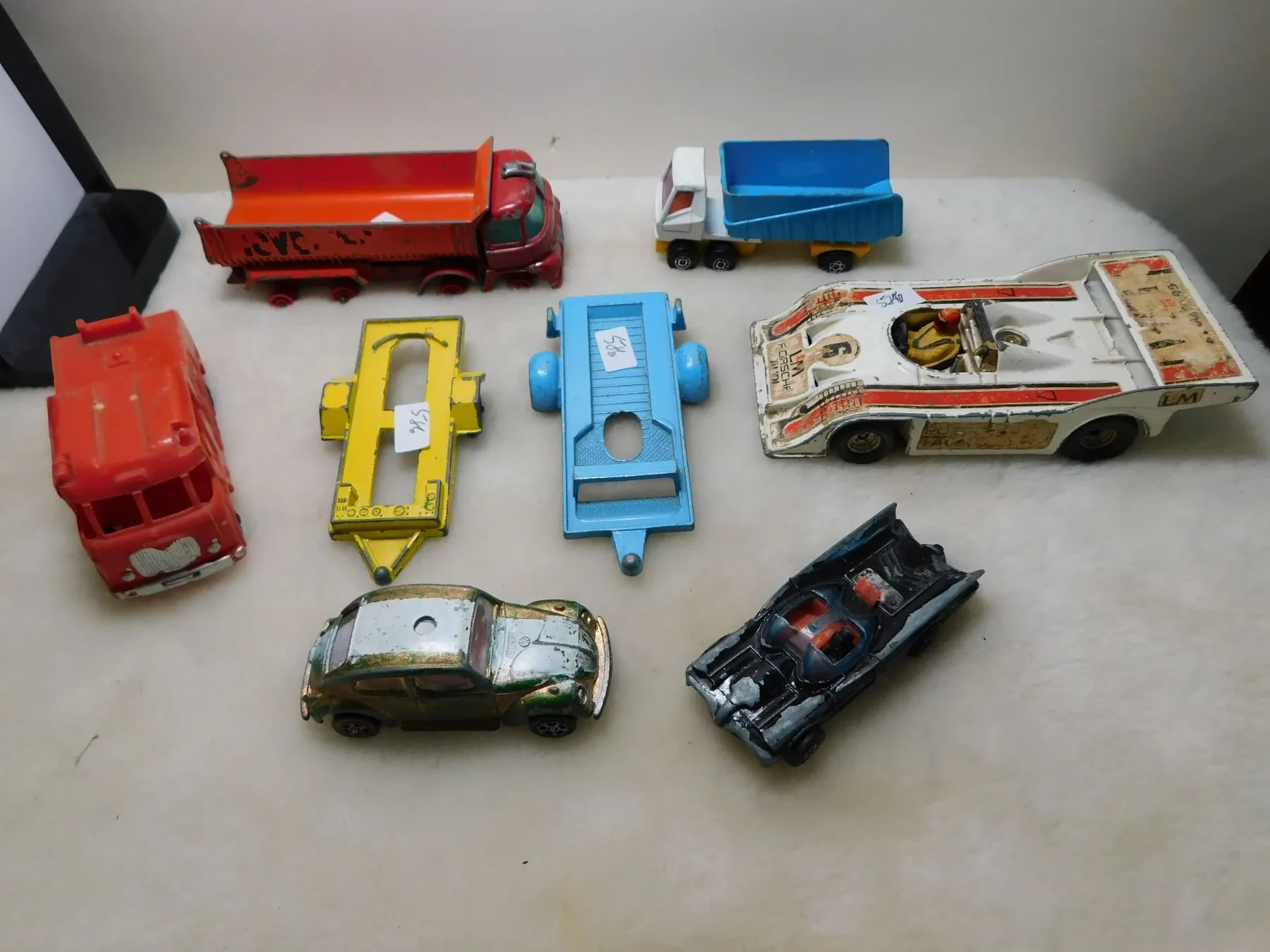
Ever been captivated by a tiny, perfectly formed metal car? That’s the magic of diecast vehicles! They’re more than just toys; they’re miniature works of art, historical snapshots, and, for many, a serious passion. We’re going to take a joyride through the world of classic diecast, exploring what makes them so special and why people love collecting them.

What Exactly ARE Classic Diecast Cars?
Okay, let’s break it down. “Diecast” refers to the manufacturing process. Molten metal (usually zinc alloy, often called Zamac or Mazak) is injected into a mold or ‘die’ under high pressure. This allows for incredibly detailed and durable little cars. ‘Classic’ is a bit more subjective. Generally, we’re talking about diecast vehicles produced from the mid-20th century (think the 1950s, 60s, and 70s) up to the early 80s. But some would argue that certain later models also qualify. The key is that they represent a specific era of design and manufacturing.
Think Hot Wheels Redlines, Matchbox Lesney Editions, Corgi Toys, Dinky Toys, and Tootsietoys. These are the big names that dominated the diecast scene and are highly sought after by collectors today. They represent a golden age of toy design and manufacturing, known for their quality, durability, and attention to detail.
Why the Obsession? The Appeal of Diecast Collecting
So, what’s the draw? Why do people spend serious money on these tiny metal machines? The reasons are as varied as the cars themselves.
- Nostalgia: These cars often evoke childhood memories. Holding a model of a car you played with as a kid can be a powerful emotional experience.
- Collecting: The thrill of the hunt! Finding that elusive model you’ve been searching for is incredibly rewarding. Completing a set or focusing on a particular brand adds to the challenge.
- Investment: Certain rare or pristine diecast vehicles can appreciate significantly in value over time. While it’s not guaranteed, collecting can be a fun and potentially profitable investment.
- Appreciation of Design and Craftsmanship: Classic diecast cars showcase a level of detail and quality that is often missing in modern toys. The designers and manufacturers took real pride in their work.
- Historical Significance: Many diecast models accurately represent real-world cars from specific eras. They offer a tangible connection to automotive history and design trends.

The Big Players: Iconic Diecast Brands
Let’s take a quick look at some of the most influential and collectible classic diecast brands. These are the names you’ll hear mentioned most often by seasoned collectors.
Hot Wheels
Launched in 1968, Hot Wheels revolutionized the diecast market with their flashy designs, vibrant colors, and incredibly fast wheels. The original ‘Redline’ series, characterized by their red-striped tires, are particularly prized by collectors.

Matchbox
Prior to Hot Wheels, Matchbox, produced by Lesney Products in England, dominated the market with their realistic and accurately scaled models. Their focus was on replicating real-world vehicles, making them popular with both children and adults. The ‘1-75’ series, with its numbered models, is highly collectible.
Corgi Toys
Corgi Toys, another British brand, distinguished themselves with their innovative features, such as working steering, opening doors, and detailed interiors. They often licensed popular vehicles from movies and television, like the James Bond Aston Martin DB5, making them highly desirable.
Dinky Toys
Dinky Toys, produced by Meccano Ltd., were among the earliest diecast car manufacturers. They were known for their sturdy construction and relatively simple designs. While not as flashy as some later brands, Dinky Toys hold a special place in diecast history and are highly valued by collectors.
Other notable brands include Tootsietoy, Tekno, and Solido, each with their own unique style and appeal.
Determining Value: What Makes a Diecast Car Collectible?
Not all diecast cars are created equal. Several factors influence a car’s collectibility and value.
- Condition: Pristine, mint-in-box examples command the highest prices. Scratches, chips, and missing parts significantly reduce value.
- Rarity: Limited production runs, prototypes, and error variants are highly sought after.
- Original Packaging: The original box or packaging adds significant value, especially if it’s in good condition.
- Color Variations: Some color variations are rarer than others, making them more desirable.
- Model Popularity: Certain models, such as iconic sports cars or movie vehicles, are consistently popular with collectors.
Research is key! Before buying or selling diecast cars, consult price guides, online auctions, and collector forums to get a sense of current market values. Sites like eBay, hobbyDB, and specialized diecast auction houses are good resources.

Getting Started: Tips for New Collectors in 2024
Ready to dive in? Here are a few tips to help you get started on your diecast collecting journey.
- Start Small: Don’t try to collect everything at once. Focus on a particular brand, model, or theme that interests you.
- Do Your Research: Learn about the different brands, models, and variations. Knowing what you’re looking for will help you make informed decisions.
- Network with Other Collectors: Join online forums, attend diecast shows, and connect with other collectors. You can learn a lot from experienced collectors and make new friends along the way.
- Be Patient: Building a collection takes time. Don’t get discouraged if you don’t find what you’re looking for right away.
- Buy What You Like: Ultimately, the most important thing is to collect cars that you enjoy. Don’t worry too much about investment potential; focus on building a collection that makes you happy.
- Inspect Carefully: Always examine diecast cars carefully before buying them, especially if you’re purchasing them online. Ask for detailed photos and descriptions.
- Consider Condition: Decide what condition is acceptable to you. A mint-in-box car is ideal, but a well-preserved, played-with model can still be a great addition to your collection, especially if it’s rare.
- Protect Your Investment: Store your diecast cars in a safe, dry place away from direct sunlight. Consider using protective cases to prevent damage.
The Future of Classic Diecast Collecting
The world of classic diecast cars is constantly evolving. As older collectors retire, a new generation is discovering the joys of this hobby. While the values of certain rare models may fluctuate, the passion for these miniature marvels remains strong. Whether you’re driven by nostalgia, investment, or simply a love of beautiful design, classic diecast cars offer a fascinating and rewarding collecting experience. So, go ahead, start your engines and join the ride!

Happy collecting!