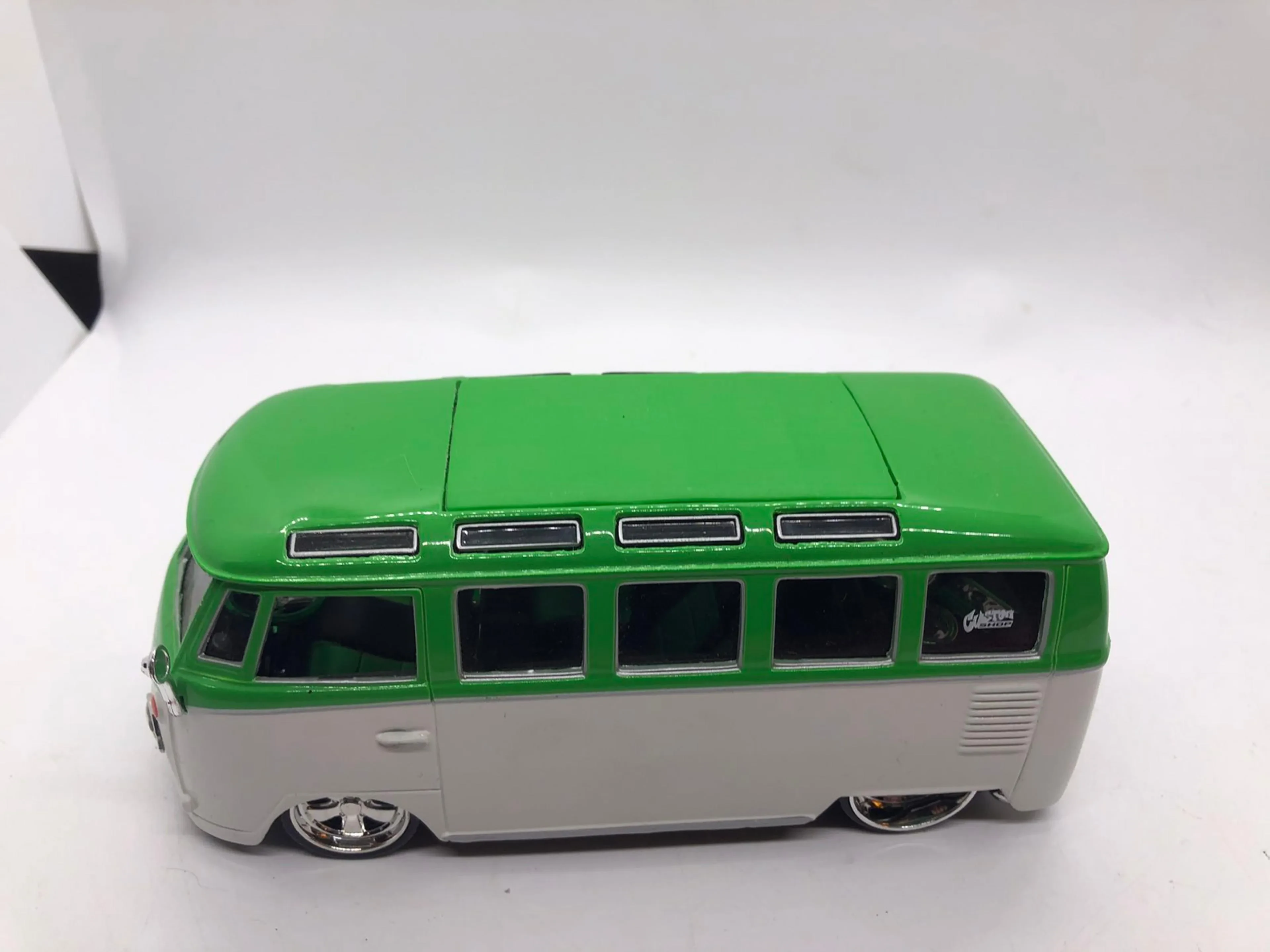
There’s something undeniably captivating about diecast trains. These miniature marvels, meticulously crafted replicas of real-world locomotives and rolling stock, offer a blend of nostalgia, intricate detail, and the sheer joy of collecting. Whether you’re a seasoned enthusiast or just starting your journey into this fascinating hobby, this article will guide you through everything you need to know about diecast trains.
A Brief History of Diecast Trains
The history of diecast trains is rich and spans decades. Early examples, often made of simpler materials, paved the way for the highly detailed and accurate models we see today. The development of die-casting technology in the early 20th century revolutionized toy manufacturing, allowing for mass production of durable, consistent miniature models. Iconic brands emerged, establishing themselves as leaders in the market and setting the standard for quality and realism.
Scales and Sizes: Navigating the Miniature World
Understanding scales is crucial when collecting diecast trains. Common scales include HO (1:87), N (1:160), and O (1:48). Each scale represents a different size ratio to a real-life train, influencing the size and detail of the model. Larger scales, like O, offer more intricate details, while smaller scales like N are ideal for space-conscious collectors.


Popular Diecast Train Manufacturers
Several manufacturers dominate the diecast train market, each with its own strengths and specialties. Some focus on historical accuracy, while others prioritize innovative features or specific eras of railroading. Researching different brands is essential to finding models that match your interests and budget.
- Lionel
- Marklin
- Bachmann
- Atlas Model Railroad
- Hornby
Beyond the Engine: Rolling Stock and Accessories
Collecting diecast trains isn’t just about the locomotives; it’s about building a complete railroad scene. This includes freight cars, passenger cars, cabooses, and a wide array of accessories like track, buildings, figures, and scenery. These additions add depth and realism to your collection, enhancing the overall enjoyment.

Starting Your Collection: Tips for Beginners
If you’re just beginning your diecast train journey, start small and focus on a specific theme or era that interests you. Research different scales and manufacturers to find models that fit your budget and space. Don’t be afraid to ask questions in online forums or at local hobby shops—enthusiasts are often happy to share their knowledge.
Maintaining and Preserving Your Collection
Proper care ensures your diecast trains remain in excellent condition for years to come. Store them in a clean, dry environment, away from direct sunlight and extreme temperatures. Avoid rough handling and consider using protective cases or display cases for particularly valuable models.
The Thrill of the Hunt: Finding Rare and Valuable Models
For dedicated collectors, the hunt for rare and valuable diecast trains adds another layer of excitement. Online auction sites, antique shops, and specialized hobby stores can be treasure troves of unique finds. Researching model values and understanding market trends is essential for successful hunting.
The Enduring Appeal of Diecast Trains
The appeal of diecast trains extends beyond mere collecting. They offer a connection to history, a window into the world of railroading, and a creative outlet for building and designing miniature landscapes. Whether displayed proudly or used for imaginative play, diecast trains offer a unique and enduring source of enjoyment for people of all ages.
