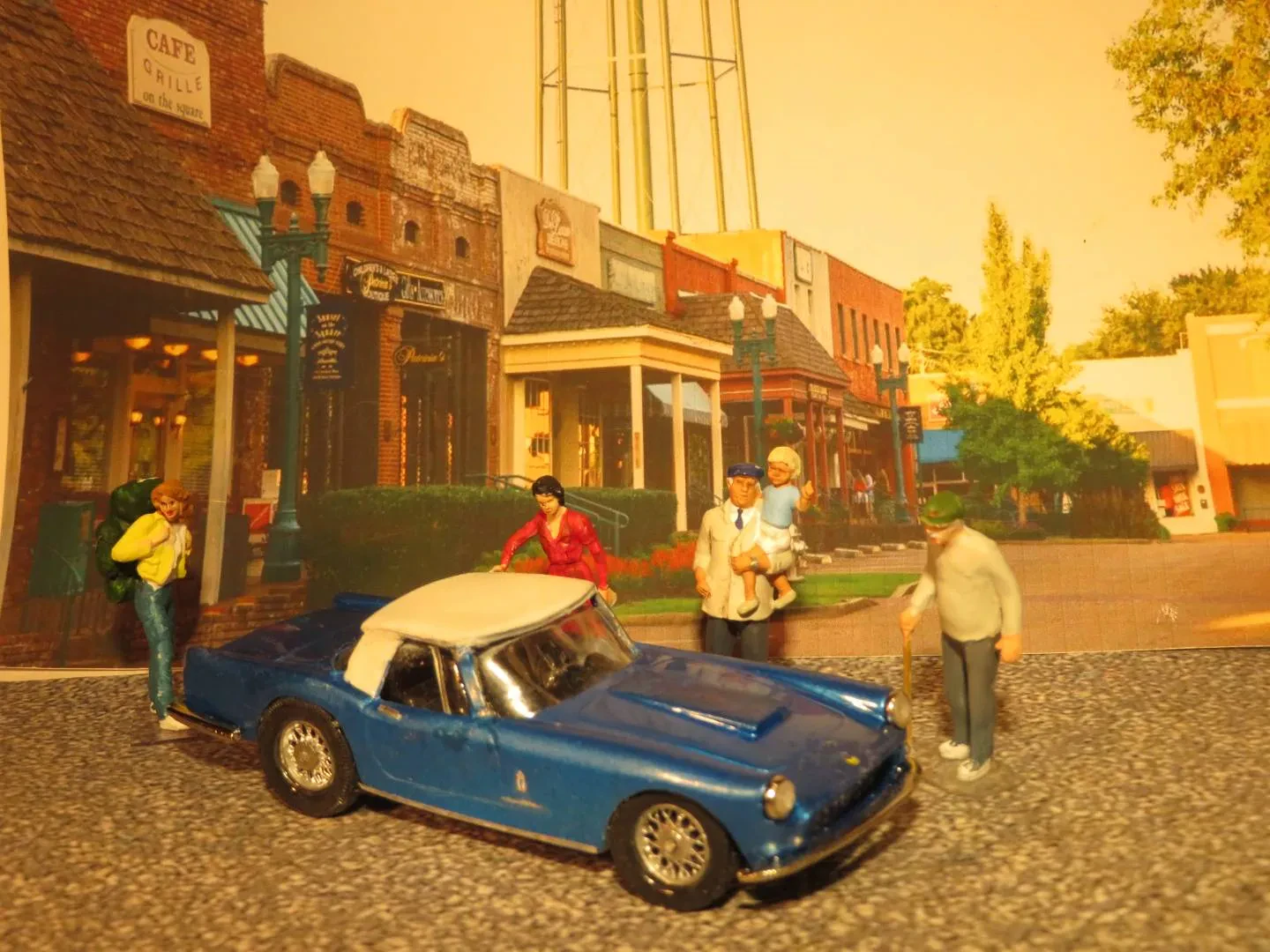
Diecast finishing isn’t just about slapping on some paint. It’s a meticulous process that transforms a plain metal model into a captivating representation of its real-life counterpart. Whether you’re building a classic car or a futuristic spaceship, the finishing touches make all the difference.

This guide will cover the essentials, from prepping the model to achieving that showroom-worthy shine. We’ll explore various techniques, materials, and tips to help you take your diecast models to the next level.
Before you start painting, prep work is essential. The first step involves cleaning the diecast model. Remove any dust, dirt, or debris using a fine brush or compressed air. This ensures that the paint adheres properly, leading to a smoother finish.

Once clean, a primer is crucial. It creates a consistent surface and helps the base coat adhere better. A good primer also fills in any tiny imperfections in the model.
Choosing the right paint is vital. Acrylic paints are often a favorite for beginners due to their ease of use and vibrant colors. However, certain details might require enamel paints for durability and specific colors.

After applying the base coat, you can start adding details. This is where you’ll really showcase your attention to detail. This could include using fine brushes, stencils, or even airbrushing techniques to recreate intricate parts of the vehicle, such as the chrome or metallic elements.

Once the paint is dry, clear coats are applied to protect the finish and enhance its gloss or matte look.
For achieving a glossy, showroom-worthy finish, several coats of clear coat are often necessary. Careful handling is crucial to avoid creating smudges or marks on your model.
After the clear coat dries, you can add decals or stickers to give the model some additional flair, recreating logos or other markings.
- Use fine-tip brushes for precise detailing
- Apply clear coat in thin layers to avoid runs
- Allow each layer of paint to dry completely before applying the next
- Be patient and take your time with each step
Beyond paint, other techniques like weathering can transform a simple model into a more realistic-looking replica. Weathering techniques create subtle changes to the model to represent the effects of time and environmental wear.

Applying weathering effects might include using pigments or washes to simulate dirt, grime, or rust, adding realism and depth to the model.
With practice, you’ll develop your unique style and enhance your diecast models with creative flair. Experiment with various techniques to find what works best for you.
Don’t be afraid to make mistakes. They are part of the learning process, and you can often fix them with careful attention and a bit of elbow grease.
By following these steps and utilizing these tips, you’ll be well on your way to crafting spectacular diecast models that you’ll be proud to display.
Enjoy the creative process and discover the joy of transforming simple metal models into works of art.