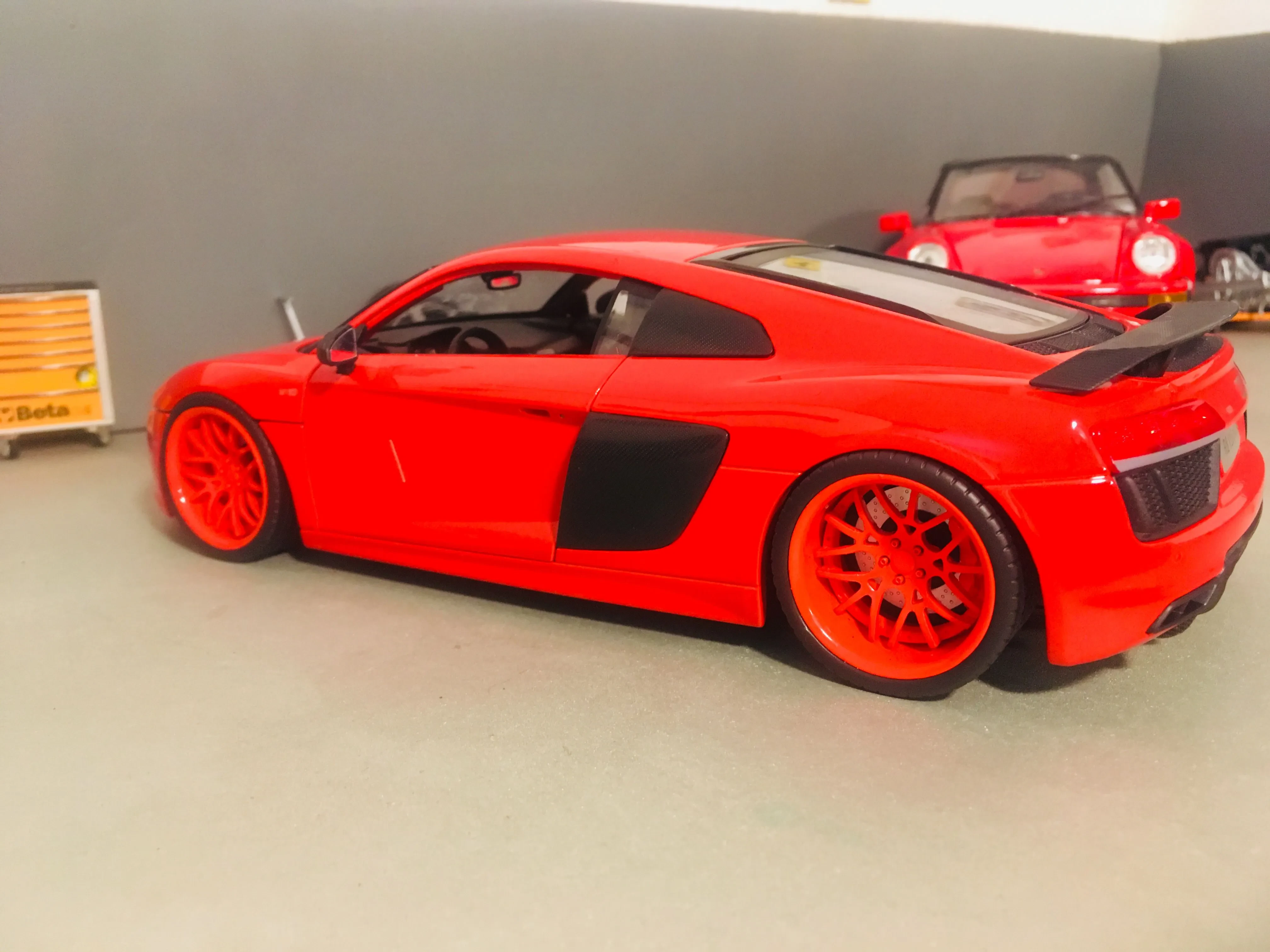
So, you’re thinking about getting into diecast collecting? Or maybe you’ve already got a few model cars gathering dust on a shelf? Either way, welcome! It’s a surprisingly deep and fascinating hobby with a rich history and a passionate community. Forget what you think you know about ’toy cars’ – this is serious business for some, and a whole lot of fun for everyone else.

What exactly is a diecast car, though? Simply put, it’s a model car (or other vehicle) made using the die-casting method. Molten metal, usually a zinc alloy (often called Zamac), is injected into a mold or ‘die’ under high pressure. This creates a highly detailed and durable miniature replica. While plastic parts are often used for details like windows, interiors, and wheels, the main body is metal, giving diecast cars a satisfying weight and quality feel.
Understanding the Scale of Things
One of the first things you’ll encounter in the diecast world is scale. This refers to the size of the model relative to the real vehicle. The most common scales you’ll see are 1:18, 1:24, 1:43, and 1:64. Let’s break those down:
- 1:18: These are the big boys! They offer incredible detail and are usually quite expensive. Perfect for showcasing individual vehicles.
- 1:24: A good balance between detail and size. Popular with collectors who want something substantial without taking up too much space.
- 1:43: A widely collected scale, especially in Europe. Offers a good range of models and manufacturers.
- 1:64: Think Hot Wheels and Matchbox. These are the smallest and most affordable, making them great for building large collections or for kids.
Other scales exist, like 1:12 (even bigger than 1:18!) or 1:87 (HO scale, popular with model railroaders), but the ones listed above are the most prevalent. The scale you choose will often depend on your budget, available space, and personal preference.
Key Diecast Brands to Know
The diecast market is filled with manufacturers, each with its own strengths and specializations. Here are some of the big names you’ll come across:
- Hot Wheels: The undisputed king of 1:64 scale, known for their wild designs and affordable price point.
- Matchbox: Another giant in 1:64 scale, focusing on realistic and licensed vehicles.
- Autoart: Renowned for their incredibly detailed and high-quality 1:18 scale models, often featuring opening parts and intricate interiors.
- Kyosho: Another high-end manufacturer specializing in various scales, known for their accuracy and quality.
- Minichamps: A popular brand offering a wide range of models in different scales, with a focus on European vehicles.
- Greenlight Collectibles: Known for their licensed movie and TV cars, as well as realistic replicas of classic and modern vehicles in 1:18, 1:24, and 1:64 scales.
- Tamiya: While primarily known for their plastic model kits, Tamiya also produces some excellent diecast models.
This is just a small sampling, of course. Do some research and find brands that align with your interests. Some collectors focus on specific manufacturers due to their quality, accuracy, or the types of vehicles they produce.

Developing Your Collecting Strategy
So, you’re ready to start collecting. But where do you begin? It’s easy to get overwhelmed, so it’s helpful to develop a strategy. Here are a few ideas:
- Focus on a specific brand: Collect only Hot Wheels, or only Autoart, for example.
- Collect by scale: Stick to 1:18 scale for maximum detail, or 1:64 for affordability and space-saving.
- Collect a specific type of vehicle: Only sports cars, classic cars, trucks, or emergency vehicles.
- Collect based on a theme: Movie cars, racing cars, or cars from a particular era.
- Collect what you like!: The most important thing is to collect what brings you joy, regardless of value or rarity.
Don’t be afraid to change your strategy as you go. Your interests might evolve, and that’s perfectly fine. The beauty of collecting is that it’s a personal journey.
Where to Find Diecast Treasures
The hunt for diecast cars is half the fun! Here are some places to look:
- Retail stores: Big box stores like Walmart and Target carry a wide selection of Hot Wheels and Matchbox.
- Hobby shops: Local hobby shops often have a better selection of higher-end diecast models.
- Online retailers: Websites like Amazon, eBay, and specialized diecast retailers offer a vast selection of models.
- Diecast shows and conventions: These events are a great place to find rare and vintage models, and to meet other collectors.
- Flea markets and garage sales: You might get lucky and find some hidden gems at bargain prices.
Be sure to compare prices and check the condition of the models before you buy. Online marketplaces can be great, but always be wary of scams. Buy from reputable sellers with good reviews.

Caring for Your Collection
Once you’ve built your collection, you’ll want to keep it in good condition. Here are a few tips:
- Store your models in a cool, dry place away from direct sunlight. Sunlight can fade the paint and damage plastic parts.
- Consider using display cases or shelves to protect your models from dust and accidental damage.
- Handle your models carefully to avoid scratches and chipped paint.
- Use a soft cloth to gently dust your models regularly.
- For valuable models, consider keeping them in their original packaging.
Proper care will help preserve the value of your collection and keep it looking its best for years to come.
The Value Factor: Is it an Investment?
While collecting should primarily be about enjoyment, it’s natural to wonder if your diecast cars will appreciate in value. Some models do become highly sought-after and command high prices in the secondary market. However, it’s important to remember that the diecast market can be unpredictable.
Factors that can influence a model’s value include rarity, condition, historical significance, and demand. Limited edition models, prototypes, and vehicles with production errors often fetch higher prices. Condition is crucial; a model in its original packaging and in mint condition will be worth more than a damaged or played-with example.
Don’t buy diecast cars solely as an investment. Collect what you love, and if some of your models happen to increase in value, that’s a bonus. Treat it more like a fun hobby, and less like playing the stock market. Enjoy the cars for what they are – miniature works of art!
The Diecast Community
One of the best parts of diecast collecting is connecting with other enthusiasts. There are numerous online forums, social media groups, and local clubs where you can share your passion, learn from others, and buy, sell, and trade models. Attending diecast shows and conventions is a great way to meet fellow collectors in person.
The diecast community is generally very welcoming and supportive. Don’t be afraid to ask questions, share your collection, and participate in discussions. You’ll find that there’s a wealth of knowledge and experience within the community, and you’ll likely make some new friends along the way.

So, What Are You Waiting For?
Diecast collecting is a rewarding hobby that can bring you years of enjoyment. Whether you’re a seasoned collector or just starting out, there’s always something new to discover. So, go out there, explore the world of diecast, and build a collection that reflects your passion and interests. Happy collecting in 2024!