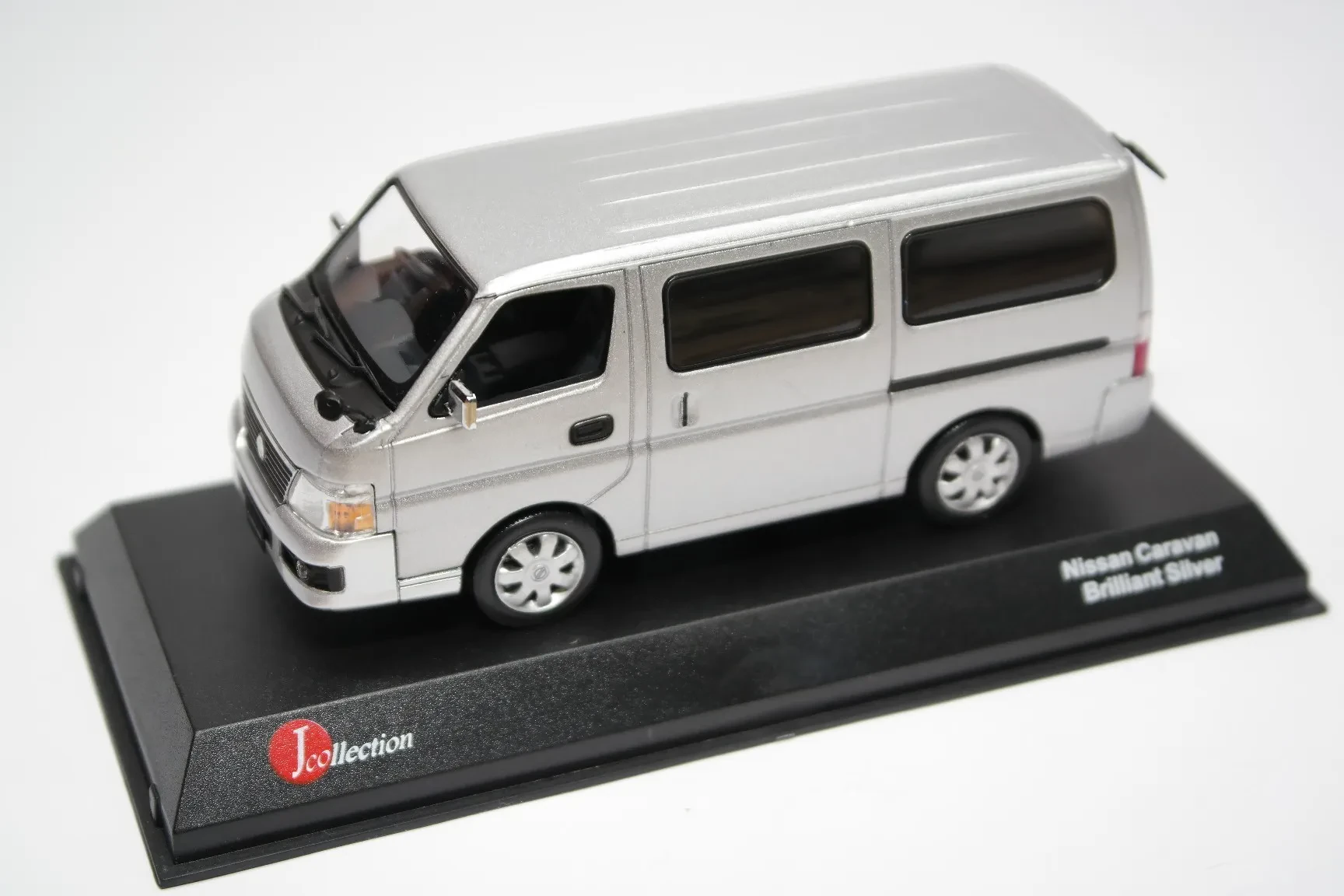
Ever noticed those tiny, intricately detailed caravans sitting on shelves or nestled in glass cases? These aren’t just toys; they’re diecast caravan models, a surprisingly popular and diverse collectible niche. From classic vintage designs to modern luxury models, the world of diecast caravans offers something for everyone, whether you’re a seasoned collector or just starting out.
The appeal of diecast caravans goes beyond mere nostalgia. These miniature replicas capture the spirit of adventure and freedom associated with caravanning, making them delightful conversation starters and cherished pieces in any collection.
The materials used in making these models are key to their appeal. Diecast metal, as the name suggests, forms the chassis and body. This gives the models a surprising weight and durability, far exceeding that of plastic toys. The level of detail is incredible; you’ll often find tiny windows, working doors (sometimes!), and accurately recreated brand logos.
A Brief History
While pinpointing the exact start of diecast caravan production is tricky, it’s safe to say they’ve been around for several decades, mirroring the broader diecast toy market. Early models were often simpler, with less detail, but as manufacturing technology improved, so did the complexity and realism of the models.
The rise of popularity in the hobby has seen a resurgence in the number of manufacturers in recent years and a great increase in the detail and accuracy of the models.
Types of Diecast Caravans
The variety within the diecast caravan world is impressive. You’ll find models representing all sorts of caravan types: from small, compact tear-drops to large, luxurious family caravans. Specific brands are also often reproduced, catering to the needs of discerning collectors.
Scales vary, too. The most common scales are 1:43 and 1:64, but others exist. Knowing the scale is crucial, especially if you’re looking to build a cohesive collection.
Some models even include features like opening doors or awnings, while others might offer detailed interiors. These additions significantly boost a model’s value and desirability.


Collecting Diecast Caravans: Tips and Tricks
Building a diecast caravan collection can be a rewarding experience, but it helps to approach it strategically.
- Start with a theme: Focus on a particular brand, era, or caravan type.
- Research: Learn about different manufacturers and model variations.
- Check condition: Look for signs of damage or wear.
- Join communities: Connect with other collectors online or in person.
- Buy from reputable sellers: Avoid potentially counterfeit models.
- Be patient: Finding rare or desirable models takes time.
Websites and online marketplaces are great for finding specific models, but attending local model shows or auctions can also unearth hidden gems. Remember, patience is key, and the thrill of the hunt is often as rewarding as the acquisition itself.
The Value of Diecast Caravans
The value of a diecast caravan depends on several factors, including rarity, condition, brand, and scale. Some models, especially older or limited edition ones, can become quite valuable over time, making them not just a hobby but also a potential investment. However, it’s important to approach collecting with a focus on enjoyment rather than solely on financial return.
The world of diecast caravans offers a blend of nostalgia, meticulous detail, and the sheer satisfaction of collecting. Whether your interest stems from a love of caravanning or a passion for miniature models, these little pieces of metal can bring a lot of joy to their owners. So start exploring, and you might just discover your next favourite collectible.

