So, you’re diving into the world of diecast models? Awesome! But you’ve probably noticed some mysterious numbers like 1/18, 1/43, or 1/64. What do these fractions even mean? Don’t worry, you’re not alone. Understanding diecast model sizes is crucial for building a cohesive and satisfying collection. This guide will demystify those numbers and help you navigate the world of scale models like a pro in 2024.

What Does Scale Mean in Diecast Models?
The term ‘scale’ in diecast models refers to the proportional relationship between the model and the real-life vehicle it represents. Think of it as a fraction. A 1/18 scale model means the model is 1/18th the size of the actual car. So, if the real car is 18 feet long, the 1/18 scale model would be one foot long. Simple, right?
The larger the denominator in the scale (e.g., 1/64 vs. 1/18), the smaller the model. A 1/64 scale model is significantly smaller than a 1/18 scale model. This difference in size impacts the level of detail, price, and display options.
Common Diecast Model Scales Explained
Let’s break down the most popular diecast model scales you’ll encounter.
1/6 Scale
This is a very large scale, typically used for motorcycles and figures rather than cars. The level of detail is incredibly high, but the size makes them expensive and require significant display space. Expect intricate detailing and high price tags.

1/12 Scale
Similar to 1/6, 1/12 is a larger scale offering excellent detail, often found in motorcycle and some rare car models. They are expensive and take up a considerable amount of room, but the impressive detail can be worth it for serious collectors.
1/18 Scale
This is arguably the most popular scale for serious collectors. 1/18 scale models offer a great balance of detail, size, and availability. You’ll find a wide range of car models in this scale, from classic to modern. They often feature opening doors, hoods, and trunks, revealing detailed engines and interiors. They’re also a good size for display without overwhelming your space. A 1/18 scale car is approximately 10-12 inches long.

1/24 Scale
Another popular scale, 1/24 is slightly smaller than 1/18, making it a good choice for collectors with limited space. It still offers a decent level of detail and a wide variety of models. Often found in model kits as well as pre-built diecasts. Expect them to be around 7-9 inches long.
1/43 Scale
This scale is very popular in Europe and is gaining traction worldwide. 1/43 scale models are significantly smaller than 1/24 or 1/18, typically around 4-5 inches long. They’re great for collectors with limited display space and are often more affordable. While the detail isn’t as intricate as larger scales, many manufacturers produce high-quality 1/43 scale models with impressive accuracy.

1/64 Scale
This is the scale commonly associated with brands like Hot Wheels and Matchbox. 1/64 scale models are small and affordable, making them ideal for kids and casual collectors. Detail is generally less pronounced than larger scales, but many manufacturers offer highly detailed 1/64 scale models aimed at adult collectors. They typically measure around 2-3 inches in length.

1/87 Scale (HO Scale)
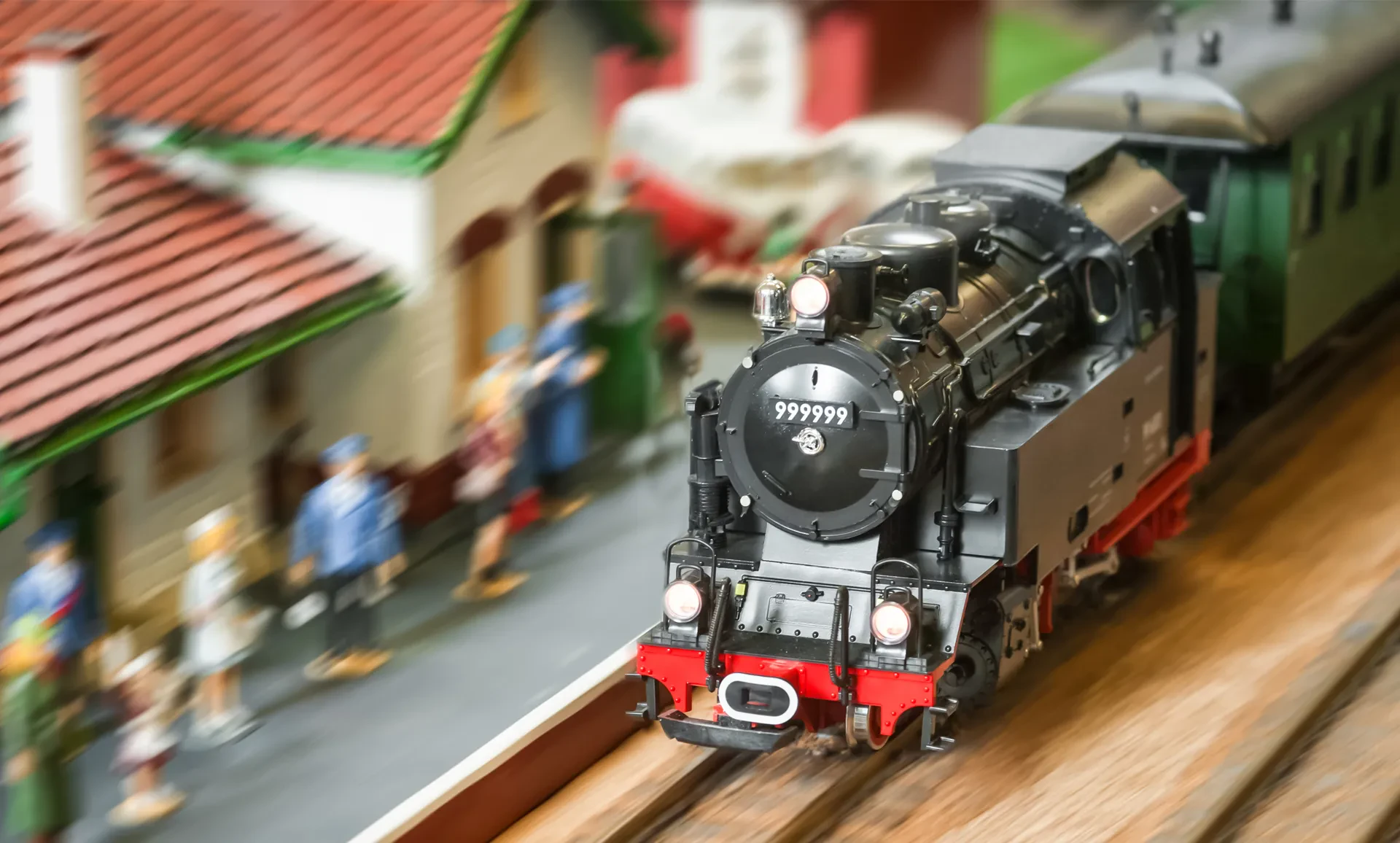
Commonly used in model railroading, 1/87 scale models are very small and primarily focused on train-related vehicles and accessories. While car models exist in this scale, they are typically intended to complement a model train layout. These are approximately 2 inches long.
Other Less Common Scales
While the scales listed above are the most prevalent, you might encounter other scales, such as 1/25, 1/32, or 1/72. These are less common but can be found, particularly in vintage models or specific niches.
Choosing the Right Scale for Your Collection
Selecting the appropriate scale depends on several factors:
- Available Display Space: How much room do you have to display your models?
- Budget: Larger scales tend to be more expensive.
- Desired Level of Detail: Do you prioritize intricate details or are you happy with simpler models?
- Personal Preference: Which scale appeals to you aesthetically?
- Collecting Focus: Are you collecting a specific type of vehicle (e.g., classic cars, race cars) that are more readily available in certain scales?
There’s no right or wrong answer. The best scale for you is the one that fits your needs and preferences. Some collectors stick to a single scale for consistency, while others mix and match to showcase a variety of vehicles.
Tips for New Diecast Collectors in 2024
Starting your diecast collection can be exciting, but also a little overwhelming. Here are a few helpful tips for new collectors in 2024:
- Start Small: Begin with a few models in your preferred scale to get a feel for what you like.
- Do Your Research: Before buying a model, check reviews and compare prices from different retailers.
- Consider Storage: Think about how you’ll store and display your models to protect them from dust and damage.
- Join Online Communities: Connect with other diecast collectors online to share your passion and learn from experienced hobbyists.
- Focus on What You Love: Collect the models that you find interesting and appealing, regardless of their perceived value or rarity.
Remember to have fun! Collecting diecast models is a rewarding hobby that can bring joy for years to come. Happy collecting in 2024!