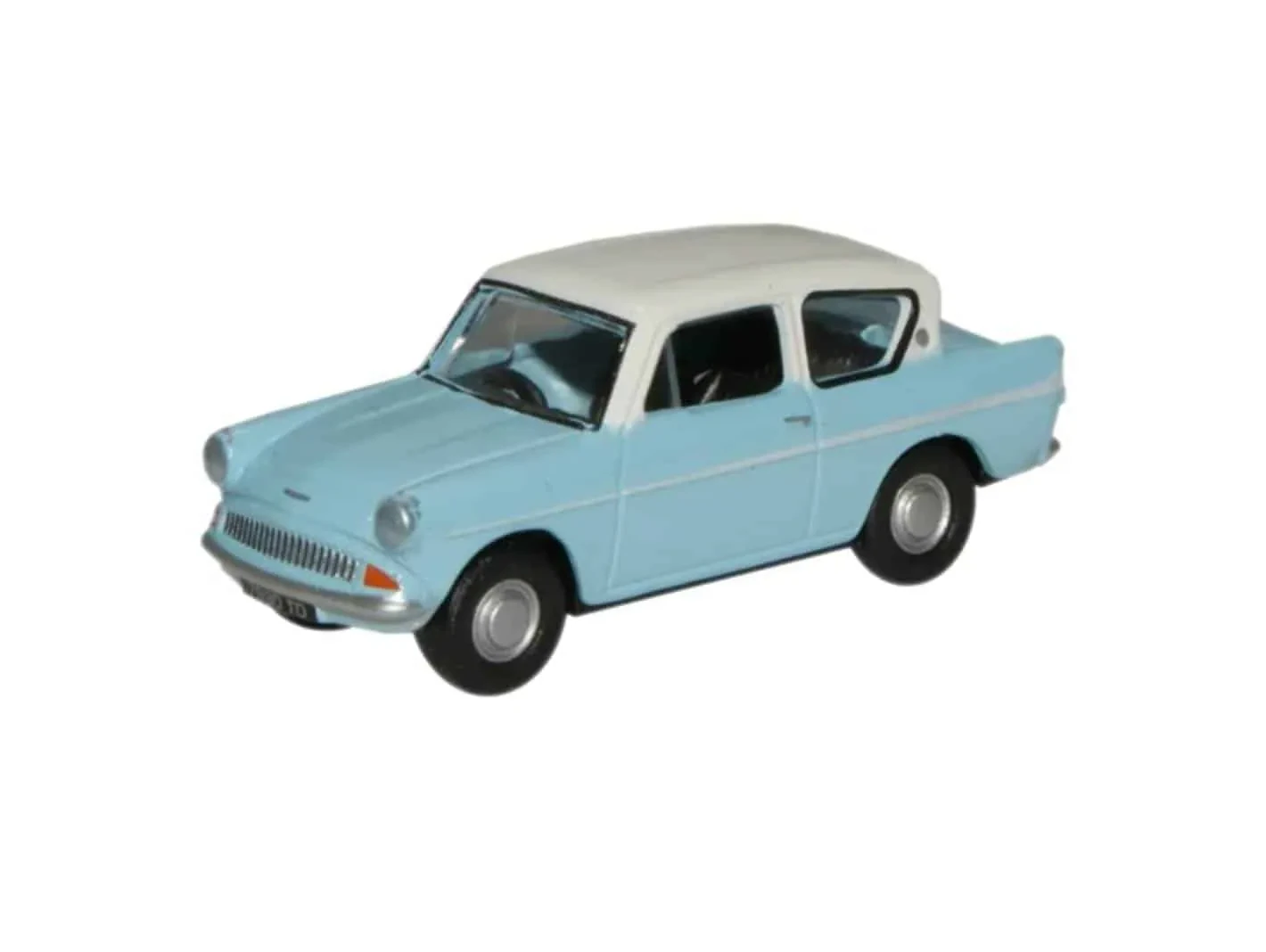
So, you’re thinking about diving into the world of Oxford Diecast trains? Great choice! Whether you’re a seasoned model railroader or just starting to build your collection, Oxford Diecast offers a fantastic range of locomotives, rolling stock, and accessories that are sure to delight. This guide will walk you through everything you need to know about these popular diecast models.

What Makes Oxford Diecast Trains Special?
Oxford Diecast has carved out a strong reputation for producing high-quality, affordable diecast models. They’re known for their attention to detail, accuracy in replicating real-life vehicles, and their use of durable materials. This makes them a popular choice among both casual collectors and serious model railway enthusiasts. The appeal comes from the detail in each model, often surpassing expectations given the price point. You can see the care taken in recreating historical details, from the paint schemes to the smaller fittings.
One of the key factors in their success is their commitment to representing a wide range of prototypes. From classic steam locomotives to modern diesel and electric trains, Oxford Diecast covers a diverse selection of eras and regions. This variety ensures that there’s something for everyone, whether you’re interested in British Railways, European railways, or even North American prototypes.
Scale Matters Understanding OO and N Gauge
When it comes to model trains, scale is everything. Oxford Diecast primarily focuses on two main scales: OO gauge and N gauge. Let’s break down what those mean.
OO gauge, which stands for ‘00’ gauge, is the most popular scale in the United Kingdom. It represents a scale of 1:76, meaning that the models are 76 times smaller than the real thing. The track gauge (the distance between the rails) is 16.5mm. OO gauge offers a good balance between detail and size, making it ideal for creating realistic-looking layouts in a reasonable space.
N gauge, on the other hand, is a smaller scale, representing 1:148 in the UK and 1:160 in other parts of the world. The track gauge is 9mm. N gauge is perfect for those who have limited space or who want to create a more extensive layout with longer trains and more scenery. While the smaller size means that some details may be less prominent, N gauge models can still be highly detailed and visually appealing.
Choosing between OO and N gauge depends on your personal preferences, available space, and desired level of detail. If you’re unsure, it’s always a good idea to visit a model railway show or hobby shop to see both scales in person.

Exploring the Oxford Diecast Train Range
Oxford Diecast offers a wide array of train models, including locomotives, coaches, wagons, and even complete train sets. Their locomotives range from iconic steam engines like the Flying Scotsman to modern diesel and electric locomotives used on contemporary railways. They also produce a variety of rolling stock, including passenger coaches, freight wagons, and specialized vehicles like brake vans and tank wagons.
One of the great things about Oxford Diecast is that they often release models in limited editions or special liveries, making them highly sought after by collectors. These limited-edition models can be based on historical events, specific railway companies, or even fictional scenarios. Keep an eye out for these special releases, as they can be a valuable addition to your collection.
The detail they put into recreating specific historical paint schemes and company markings is impressive. This dedication to accuracy makes their models popular with railway historians and enthusiasts alike. They also offer models that represent specific periods of railway history, allowing you to create layouts that accurately depict a particular era.
Locomotives Powering Your Layout
The locomotive is the star of any model railway. Oxford Diecast locomotives are generally designed to be compatible with standard track systems and controllers. Many of their models are also DCC (Digital Command Control) ready, meaning that they can be easily converted to run on DCC systems, which offer greater control and realism.
When choosing a locomotive, consider the type of railway you want to model and the era you want to represent. Do you want to run a classic steam train from the 1930s, or a modern high-speed train from the 2020s? Oxford Diecast has options for both, so you can create the railway of your dreams. Be sure to check the specifications of each locomotive to ensure that it’s compatible with your track and controller.

Rolling Stock Filling Out the Train
Rolling stock refers to all the other vehicles that make up a train, such as coaches and wagons. Oxford Diecast offers a wide range of rolling stock to complement their locomotives. These models are designed to be compatible with standard couplings and track systems, making it easy to create realistic-looking trains. When selecting rolling stock, consider the type of traffic you want to model. Do you want to run passenger trains, freight trains, or a combination of both? Oxford Diecast has options for all these scenarios.
Also, think about the era you’re modeling. Rolling stock designs have changed over time, so it’s important to choose models that are appropriate for the period you’re representing. Oxford Diecast offers a good selection of both vintage and modern rolling stock, allowing you to create historically accurate trains. Pay attention to details like the livery (paint scheme) and the type of cargo being carried, as these can add to the realism of your layout.
Tips for Collecting and Maintaining Your Oxford Diecast Trains
Collecting Oxford Diecast trains can be a rewarding hobby, but it’s important to take proper care of your models to ensure that they last for years to come. Here are a few tips for collecting and maintaining your Oxford Diecast trains:
- Store your models in a cool, dry place, away from direct sunlight and extreme temperatures.
- Handle your models with care, avoiding dropping or bumping them.
- Clean your models regularly with a soft, dry cloth to remove dust and fingerprints.
- Lubricate the moving parts of your locomotives with a light oil to keep them running smoothly.
- If you’re not using your models for a long period of time, store them in their original packaging or in a protective case.
- Research the models you’re interested in collecting to learn about their history, rarity, and value.
Following these simple tips will help you keep your Oxford Diecast trains in excellent condition and ensure that they continue to bring you enjoyment for many years. Remember to also check online forums and communities for more specific advice on maintaining particular models.
In 2024, the popularity of Oxford Diecast trains shows no signs of slowing down. With their commitment to quality, detail, and affordability, they continue to be a favorite among model railway enthusiasts and collectors alike. Whether you’re just starting out or have been collecting for years, Oxford Diecast offers something for everyone.
So, why not take a look at their range and see what catches your eye? You might just find your next favorite locomotive or wagon. Happy collecting and happy railroading!
